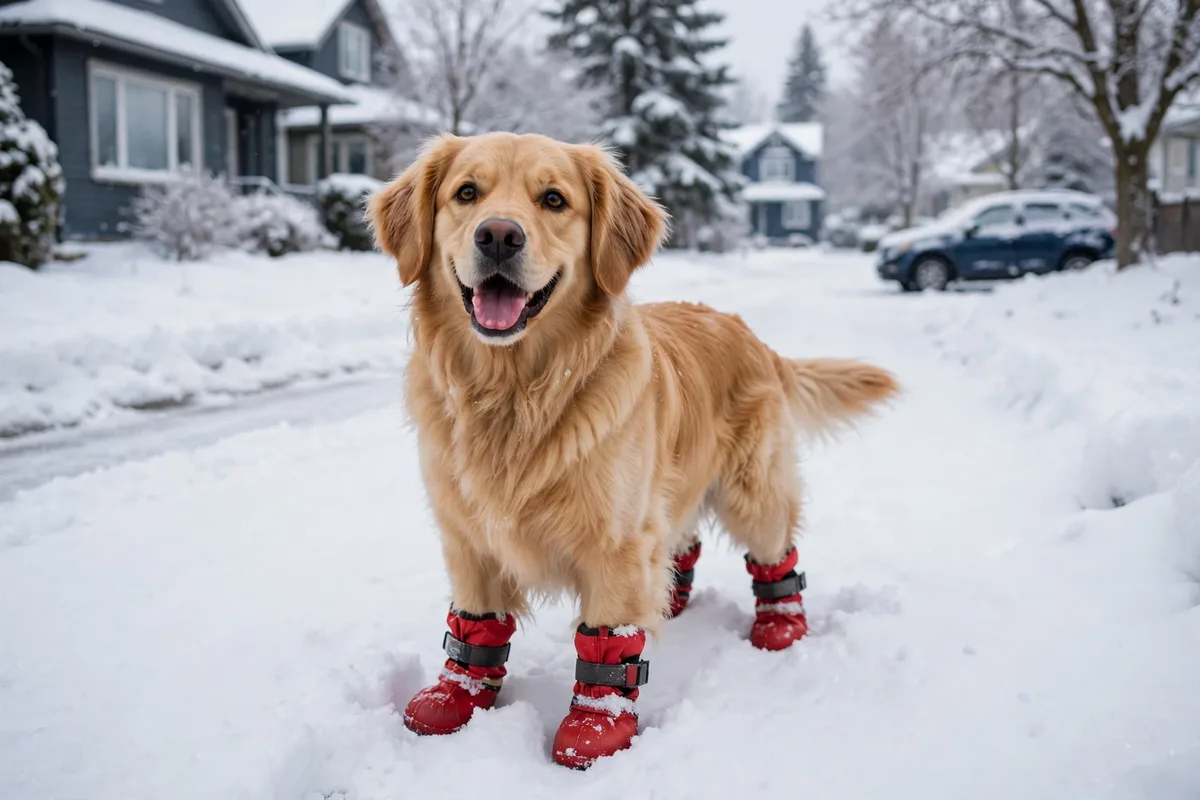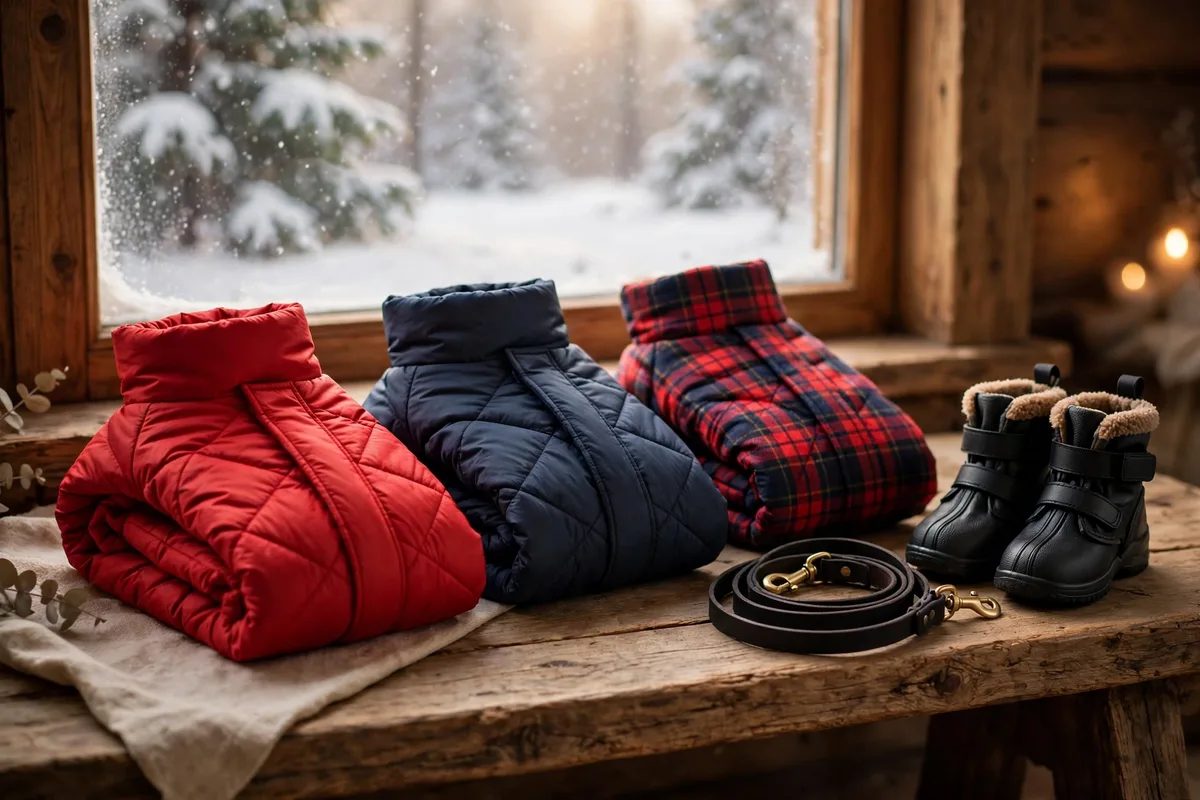
The best dog coat for a Canadian winter is one that covers the chest and belly, not just the back — the belly is the dog’s least furred surface and the closest to the snow — and the Canada Pooch and Chilly Dogs picks below lead this guide because two Canadian companies design exactly that way. A coat’s job is physiology, not fashion: small, short-haired, lean and senior dogs genuinely lose dangerous heat at temperatures a husky finds pleasant, and the right coat is the difference between a full walk and a shivering dash.
The five picks divide by dog and winter: two Canadian insulated systems, a Finnish expedition warmer, an American performance jacket, and a budget fleece-lined coat for mild-winter dogs. Each entry states its coverage, closure and harness arrangement in the open. Pair the coat with the best dog boots for winter in Canada and the USA from our boots guide — winter is one system — and rest the dog afterwards on the best dog beds in Canada and the USA picks, with the best pet hair removers in Canada and the USA guide handling the hair both will shed come spring.
Disclosure: CookSmartPicks is reader-supported. When you buy through links on this page, we may earn an Amazon commission at no extra cost to you. Prices and availability change often — check the current price on Amazon before you decide.
How we chose these dog coats
Warmth claims in this category are unverifiable adjectives, so the shortlist was built on construction instead: full chest and belly coverage (the dog’s least furred, closest-to-the-snow surface), a weatherproof shell over real insulation rather than a single fashion layer, and closures that stay closed on a moving dog. Every pick was checked for a harness solution — a covered leash port or an over-harness fit — because a coat that fights the leash gets left at home, and a coat left at home warms nothing.
Fit systems decided the ranking within the class: size ranges honest enough to fit both a dachshund and a deep-chested retriever, adjustment at neck and chest rather than one strap and hope, and brand sizing charts based on measurements, not breed guesses. Canadian design and testing counted heavily — two of the five picks are Canadian companies whose products are built for the winter this site’s readers actually walk in — and every pick is available through normal Canadian pet retail.
The lineup at a glance
| Product | Best for | Why it stands out |
|---|---|---|
| Canada Pooch Winter Coat (Insulated Parka Styles) | Best overall | The hometown parka: belly-wrapping insulation from a Toronto dog-winter company |
| Chilly Dogs Great White North Winter Coat | Best for extreme cold | The −30°C answer: an Ottawa-made expedition coat with a wrapped belly |
| Hurtta Extreme Warmer (Foil-Lined Winter Jacket) | Best technical/active | The Finnish technical jacket: foil-lined, expedition-fitted, built for active dogs |
| Ruffwear Powder Hound Insulated Jacket | Best for active dogs | The athlete’s jacket: insulated softshell built for dogs that work in winter |
| Kuoser Cozy Dog Winter Coat (Fleece-Lined) | Best budget | The mild-winter value: a cozy, easy coat priced for every dog to have one |
1. Canada Pooch Winter Coat (Insulated Parka Styles) — Best overall
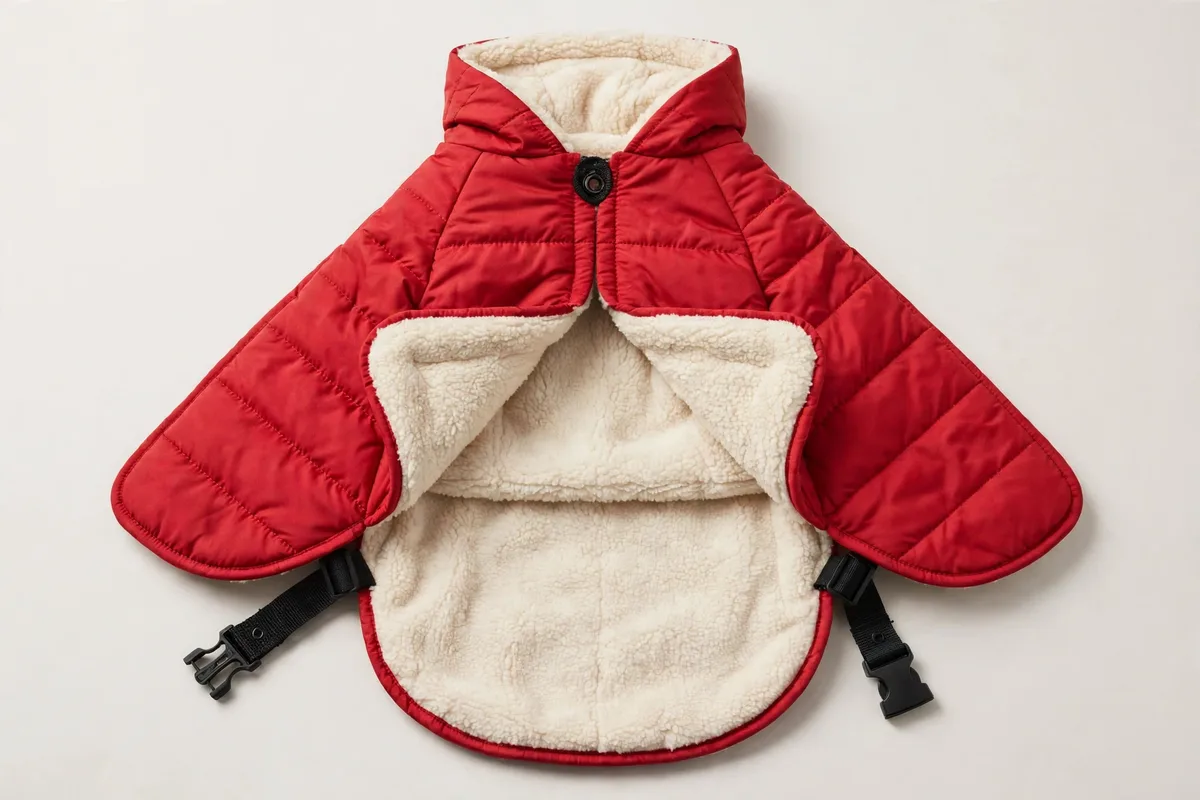
Canada Pooch is the hometown answer done properly: a Toronto company designing insulated winter coats for the winter outside its own windows, with the construction this guide demands — a water-resistant shell over genuine insulation, a fleece-lined interior, and coverage that wraps the chest and belly instead of draping the back. The closures are the practical kind (secure hook-and-loop and buckle systems that stay closed on a running dog), the neck rises to protect the throat, and the line’s sizing runs from teacup to large breeds with measurement-based charts rather than breed astrology.
The harness solution is designed-in: leash access through the back on the insulated models, positioned for the common back-clip harness. In use — and this brand’s owner reports are a Canadian chorus — dogs stay out longer, shiver less, and come home with dry bellies instead of snow-packed undersides, which is the entire point stated as a result. The coats wash well and the shells shed slush the way a good parka does, because that is what they are: parkas, engineered down to dog scale.
Canadian availability is total, in the brand’s own store and every major pet retailer. For the dog whose winter is the real one — salt, slush, −20°C and a wind off the lake — Canada Pooch is the default recommendation, and the rare case of the local company also being the best one.
Ownership’s detail is the fit support: the brand’s size guidance and exchange culture acknowledge that dog shapes defy charts, and getting the second size shipped is a normal transaction, not a dispute — which matters when the dog cannot try the coat on in your kitchen first.
Sizing note from the brand’s own charts: measure the chest first and let the back length fall where it may — a coat an inch short on the back still warms, while a coat loose at the chest slides, twists, and gets refused.
Yay · Pros
- Canadian-designed for real winters
- Chest and belly coverage; water-resistant shell
- Harness leash access; sizes from teacup to large
Hmm · Cons
- Premium pricing in the larger sizes
- Popular colours sell out mid-season
- Very deep-chested breeds should size carefully
Best for: Most Canadian dogs — the complete winter system Skip if: Your winters are mild and dry — the Kuoser below covers them for less
2. Chilly Dogs Great White North Winter Coat — Best for extreme cold
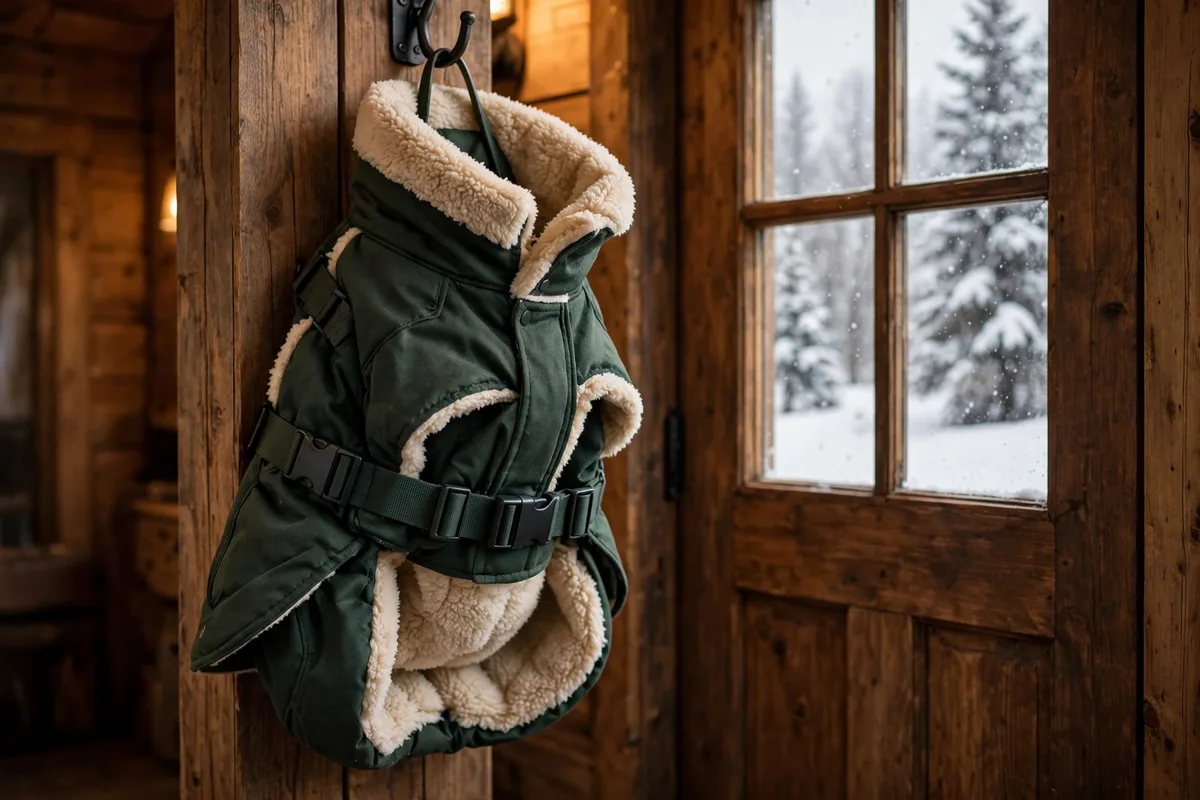
Chilly Dogs’ Great White North is the coat Canadian mushers and northern dog people name when the temperature stops being funny: an Ottawa-made winter system built around a windproof, waterproof shell and serious fleece insulation, with the fullest belly coverage in this guide — the design wraps the underside like a horse blanket engineered by people who test at −30°C because that is their February. The fit system uses multiple adjustments to hug without binding, and the coat stays put through running, rolling and the full-contact snow play of a dog that loves winter.
The construction quality is the cottage-industry kind: made in Canada in small production, with fabrics and hardware chosen for the deep-cold brief rather than a price point. The sizing is measurement-driven and the company is famously helpful about fit — send the dog’s numbers and they will tell you the size, a service model the mass brands cannot copy. For senior dogs, lean sighthounds, and any dog whose walks continue through a prairie or northern winter, this is the warmest honest answer in the guide.
Canadian availability is direct from the maker, which keeps the expertise in the transaction. The price is premium and the warmth is overkill south of the snow belt — both facts stated plainly. For the dog and the winter it was built for, the Great White North has no substitute on this page.
Ownership is a decade-scale proposition: these coats are repaired and rehomed among northern dog people like good outdoor gear, and a coat bought for one dog commonly serves the next — the strongest durability testimony the category offers.
The Great White North’s warmth assumes the dog keeps moving or the outing stays reasonable: even expedition insulation cannot make a standing-still hour at −30°C kind, so plan the route, not just the wardrobe.
Yay · Pros
- Maximum insulation; fullest belly wrap here
- Made in Ottawa; tested in real northern cold
- Measurement-based fitting with maker support
Hmm · Cons
- So warm it is too much for mild days
- Premium price; sizing is measurement-critical
- Ottawa-direct ordering is the main channel
Best for: Deep cold and long outings — the maximum-warmth specialist Skip if: Your dog overheats easily or winters are moderate — this is deep-cold kit
3. Hurtta Extreme Warmer (Foil-Lined Winter Jacket) — Best technical/active
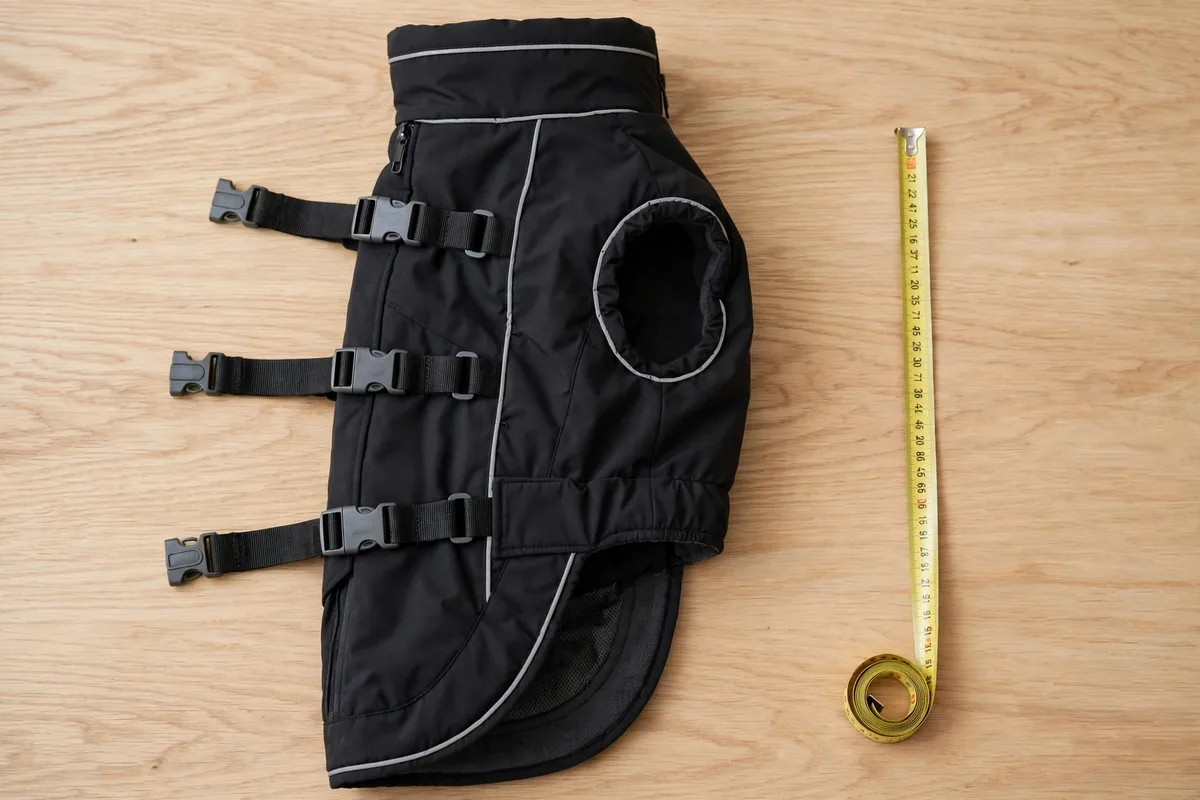
Hurtta’s Extreme Warmer is the Finnish entry — designed in a country that treats dog weather gear as outdoor equipment, with a foil-lined inner layer the maker uses to reflect the dog’s own body heat back, a waterproof breathable shell, and coverage extending over the hips and the large muscle groups whose warmth keeps a dog moving comfortably. The fit system is the most adjustable here, with cinches at neck, chest and body that tune the coat to odd-shaped athletes — sighthounds, barrel-chested bulldogs, deep-and-narrow sporting dogs.
The details are expedition-grade: the leash opening is weather-sealed, the belly panel is insulated rather than a bare strap, and reflectors are built in for the dark-month walks that define northern winters in both Finland and Canada. Owner reports from cold-climate users describe the coat as the one that keeps elderly and lean dogs walking at temperatures that ended the season for lesser kit.
Canadian availability runs through specialty pet retailers at a premium price. For the active household — the winter hikers, the skijorers, the dog whose exercise does not consult the thermometer — Hurtta is the technical peak of this guide, and its foil lining is a genuinely different warmth strategy from the fill-based Canadians.
Ownership rewards the measuring tape: Hurtta’s size system is the most granular here, and the owners who measure precisely report the best-fitting dog coat they have owned — the enthusiasts’ verdict, delivered in the enthusiasts’ currency.
The foil lining works best fitted close: the reflective layer returns body heat most efficiently when the coat hugs rather than billows, which is why Hurtta’s many adjustment points are functional rather than decorative — cinch them.
Yay · Pros
- Heat-reflective foil lining per Hurtta
- Most adjustable fit in the guide
- Waterproof breathable shell; built-in reflectors
Hmm · Cons
- Premium European pricing
- Sizing is precise — measure twice
- Too technical for a casual block walk
Best for: Active dogs in cold, wet, variable weather Skip if: Your walks are short and urban — simpler coats serve them for less
4. Ruffwear Powder Hound Insulated Jacket — Best for active dogs
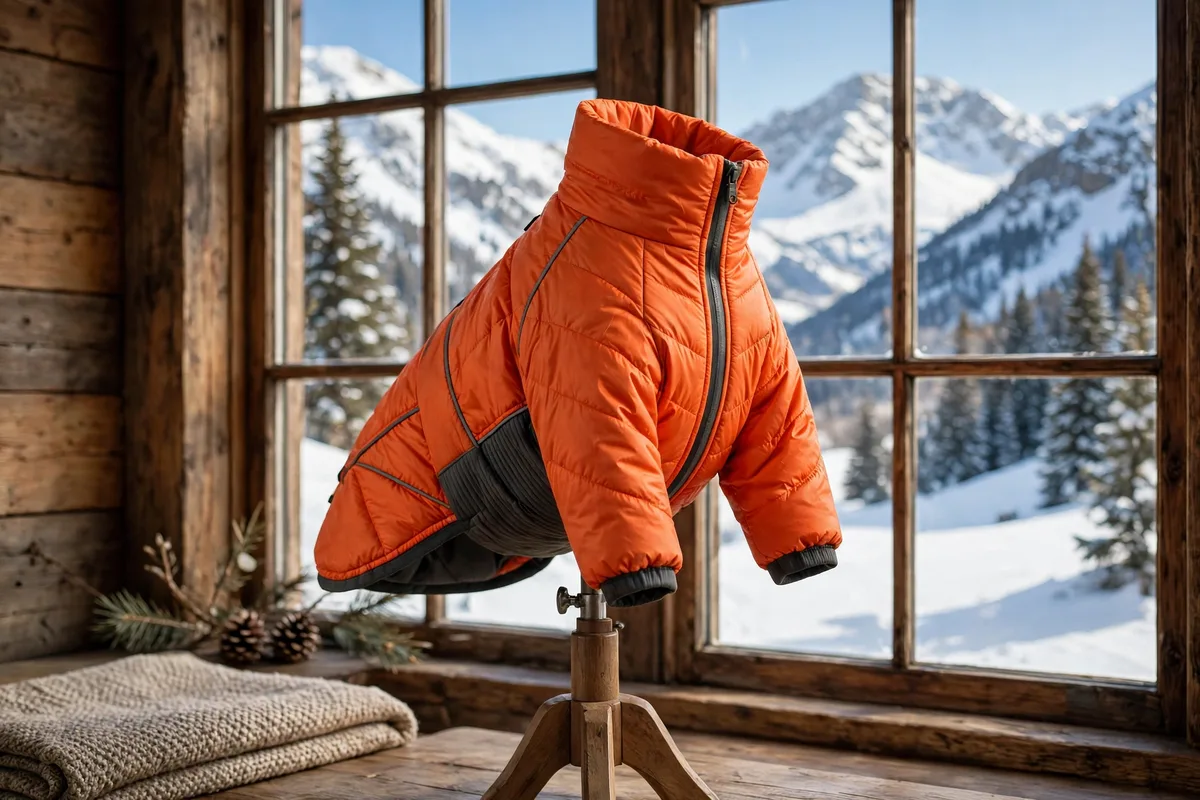
The Powder Hound is Ruffwear’s insulated jacket for dogs that earn their winter: a synthetic-insulated, weather-resistant softshell built for movement — skiing, snowshoeing, winter trail running — with a fit mapped to athletic bodies and a construction that layers over or under the brand’s harnesses cleanly. Ruffwear, the Bend, Oregon performance-dog house, designs coats the way outdoor brands design human shells: articulated, unrestrictive, and honest about their brief, which is active warmth rather than maximum still-air insulation.
The coverage philosophy differs from the Canadian picks and the guide states it plainly: the Powder Hound insulates the core and back thoroughly while leaving the belly lighter for stride and heat dumping during hard exercise — the right trade for a dog working hard, the wrong one for a senior standing at a bus stop. The leash portal and harness compatibility are, as expected from Ruffwear, properly engineered, and the recycled insulation aligns with the brand’s materials direction.
Canadian availability is strong through outdoor and pet retailers. For the household whose dog’s winter is a sport, the Powder Hound is the athlete’s jacket — and its presence here is the guide’s reminder that ‘warmest’ depends entirely on what the dog is doing in the cold.
Ownership rides on Ruffwear’s support culture: the brand’s gear is repaired, warranted and resold in the outdoor community’s usual way, and a Powder Hound commonly serves two dogs across its life — the sporting world’s version of a hand-me-down.
Layering note for sporting households: the Powder Hound is cut to sit over the brand’s harnesses without bunching at the shoulders, so the dog’s whole working kit — harness, jacket, boots — goes on in one rehearsed order.
Yay · Pros
- Athletic, unrestrictive performance fit
- Harness-compatible; leash portal
- Recycled synthetic insulation; outdoor-grade build
Hmm · Cons
- Back-weighted coverage — belly is lighter than the Canadians’
- Premium pricing
- Fit favours athletic builds
Best for: Sporting dogs and winter adventurers Skip if: Your dog is a slow senior in deep cold — the Canadian wraps insulate more
5. Kuoser Cozy Dog Winter Coat (Fleece-Lined) — Best budget
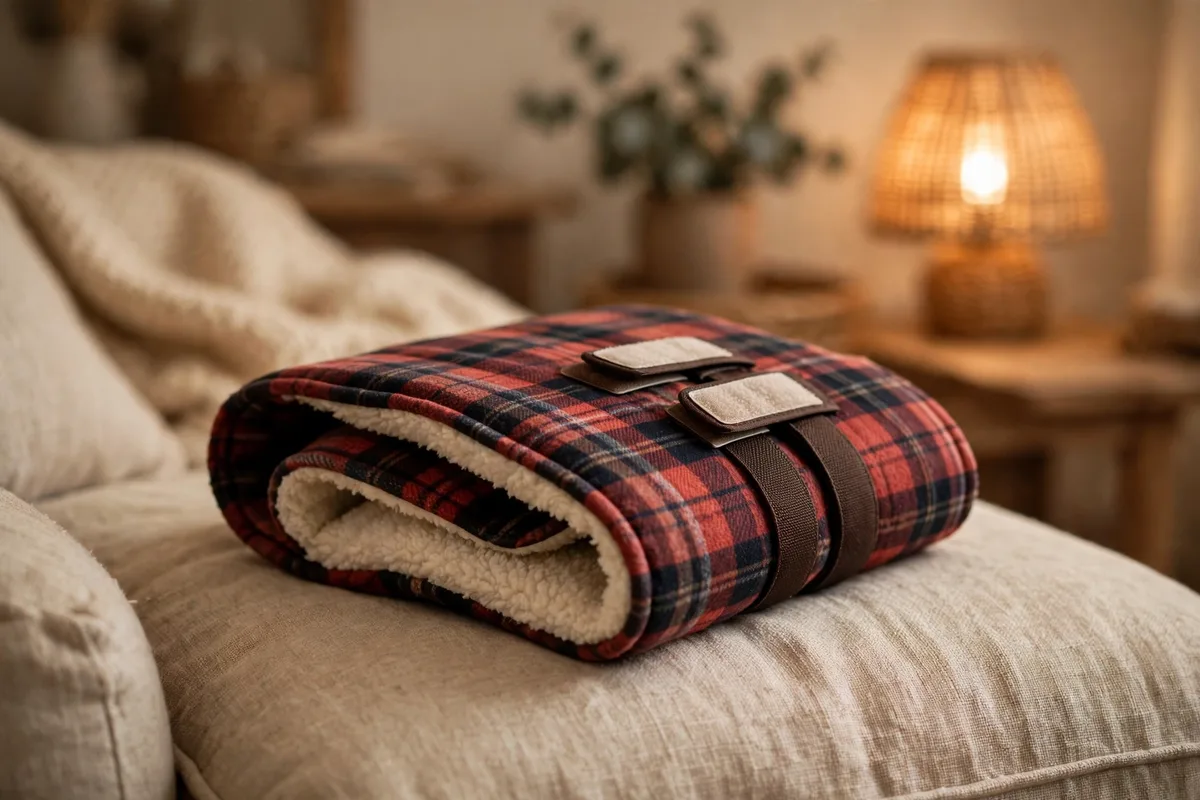
Kuoser’s cozy coat is the budget tier’s respectable face: a fleece-lined, plaid-styled jacket with a water-resistant outer, belly coverage beyond its price class, and hook-and-loop closures that make it the easiest coat here to put on a wriggling dog. For the mild-winter brief — the coastal dog, the southern dog, the Canadian dog whose cold is a −5°C morning rather than a −25°C week — it provides the insulation the physiology actually requires, in a style that has made it a familiar sight in dog parks on two continents.
The limits are stated the way the guide states all of them: the insulation is light, the shell’s water resistance is shower-grade rather than storm-grade, and the construction will not see a decade. Within its brief none of that matters — a coat’s first job is to be worn, and the Kuoser’s price and ease mean it gets bought, fitted and used by households that would deliberate a premium coat into next season.
Canadian availability is online and effortless, at the lowest price in this guide by a wide margin. Buy it for the dog whose winter is gentle, as the spare for the car, or as the trial coat that teaches a household its dog’s size and tolerance before the premium purchase — a legitimate role the guide is happy to endorse.
Ownership’s surprise, from owner patterns, is how often the trial coat becomes the coat: for the large population of dogs whose winters are more autumn than arctic, the budget answer turns out to have been the correct one all along.
The honest expectation: this is a one-to-two-season coat for a growing puppy or a mild climate, and judged on exactly that term — a warm dog, this winter, at this price — it succeeds completely.
Yay · Pros
- Fleece-lined warmth at the lowest price here
- Easy hook-and-loop fitting
- Belly coverage beyond its price class
Hmm · Cons
- Not deep-winter kit — honest limits apply
- Fit and finish vary more than premium brands
- Water resistance is light-duty
Best for: Mild-winter dogs and budget households Skip if: Your winter is the real Canadian one — step up to Canada Pooch or Chilly Dogs
Which dogs actually need a coat: the physiology under the fashion
A dog’s need for a coat is physiology, not wardrobe: body size (small dogs lose heat faster per pound), coat type (single-coated and short-haired breeds lack the insulating undercoat), body fat, age, and health set the requirement, and the same −10°C that a husky finds refreshing can genuinely chill a greyhound, a chihuahua, or a senior of any breed. The working signs are observable — shivering, lifting paws, seeking to go home, a tucked posture — and they, not the calendar, should start the coat season for your dog.
Temperature bands give the decision structure: most healthy, double-coated dogs are comfortable unclothed to about −5 to −10°C for active walks; single-coated, small, lean and elderly dogs often need insulation from about 0 to −5°C, and at −15°C and below, even sturdy breeds benefit from coverage on longer outings, with exposed skin (ears, tail, belly) becoming the frostbite watch zone. Wind and wet multiply cold’s effect — a wet dog in wind loses heat at rates that move every band warmer — which is why the waterproof shells in this guide matter as much as their fill.
Belly coverage is the design detail that decides real warmth: a dog’s underside is its least furred, closest-to-the-snow surface, and coats that wrap the chest and belly (the Canadian designs above are built on exactly this principle) insulate where the heat actually leaves. A coat that drapes the back alone is a blanket in a photograph and a fraction of the protection in a January wind. Fit follows from coverage: measure the chest at its widest, the back from collar to tail base, and expect to size by chest first — a coat that fits the back but strangles the chest will be refused, correctly.
The harness question is practical, not trivial: a coat without a harness port forces the leash under or over the coat, bunching insulation and chafing; the better designs in this guide route the leash through a covered opening or are shaped to wear over a harness entirely. Decide your dog’s harness arrangement before buying, because the coat must serve it, not fight it, on every walk from November to March.
Boots and coats are one system, as this site’s winter guides argue together: the coat manages core temperature, the boots manage salt, ice balls and frozen ground — and a dog dressed in one without the other is half-equipped for the Canadian winter both were designed in. The brands in this guide test in that winter, which remains the most honest product claim any of them makes.
And the honest limit: a coat extends a walk; it does not repeal the weather. At extreme cold — the −30°C mornings both countries know — the correct answer for most dogs is a short, business-only outing with full kit, whatever the coat’s rating, because lungs, ears and paws keep their own counsel. Dress the dog well, watch the dog honestly, and let the dog’s comfort, not the coat’s price tag, set the route.
Dog coat questions, answered
Which dogs actually need a winter coat?
Small, short-haired, single-coated, lean, young and senior dogs benefit most — think chihuahuas, greyhounds and whippets, miniature pinschers, and elderly dogs of any breed. Healthy double-coated breeds (huskies, retrievers, shepherds) are comfortable unclothed to roughly −5 to −10°C on active walks. Watch the dog, not the calendar: shivering, paw-lifting and turning for home are the signs a coat is needed.
How do I measure my dog for a coat?
Measure the chest at its widest point (just behind the front legs) and the back from the collar to the base of the tail; size by the chest first, because a coat that strangles the chest will be refused. Between sizes, choose the one whose chest range centres your dog’s measurement. A good coat covers the chest and belly — the least furred, closest-to-the-snow surfaces — without restricting the shoulders’ stride.
Do I need a coat with a harness hole?
If your dog wears a harness, yes — look for a covered leash opening at the back or shoulders, or a coat shaped to fit over the harness. Running the leash under or over a coat bunches the insulation and chafes. Several picks in this guide (Canada Pooch, Hurtta, Ruffwear) build the port in; check its position against your harness’s attachment point before ordering.
How cold is too cold, even with a coat?
At about −15°C and below, limit even well-dressed dogs’ outings, watch ears, tail and belly for frostbite, and prefer several short walks to one long one. At −30°C-class cold, most dogs should be out for business only, fully kitted with coat and boots. Puppies, seniors and small dogs reach their limits sooner at every temperature — their signs (shivering, lifting paws, stopping) are instructions, not moods.
How do I wash a dog coat?
Follow the maker’s label: most technical dog coats machine wash cold and hang dry (heat degrades waterproof coatings), while fleece and knit styles are more forgiving. Brush off dried mud first, close all fasteners before washing so they do not snag, and reproof a shell’s water repellency with a pet-safe spray when water stops beading. A clean coat insulates better — matted, dirty fill loses loft.
Does my dog need boots as well as a coat?
They solve different halves of winter: the coat manages core temperature; boots manage salt, chemical melters, ice balls between the toes and frozen ground. A dog in deep winter needs both — the coat’s warmth does nothing for salt-burned paws. This guide’s sibling post covers boots in full; the Canadian brands in both guides design the two as one system.
The short version
Buy Canada Pooch for the complete Canadian winter system, or the Chilly Dogs Great White North when your cold is extreme and your dog is lean, senior or out for hours. The Hurtta is the technical pick for active dogs, the Ruffwear for sporting athletes, and the Kuoser for mild winters and budgets. Measure the chest first, insist on belly coverage and a harness port — and pair the coat with boots, because winter is one system.
Last updated: November 18, 2026. We refresh this guide each season and whenever a pick is replaced by a better one.