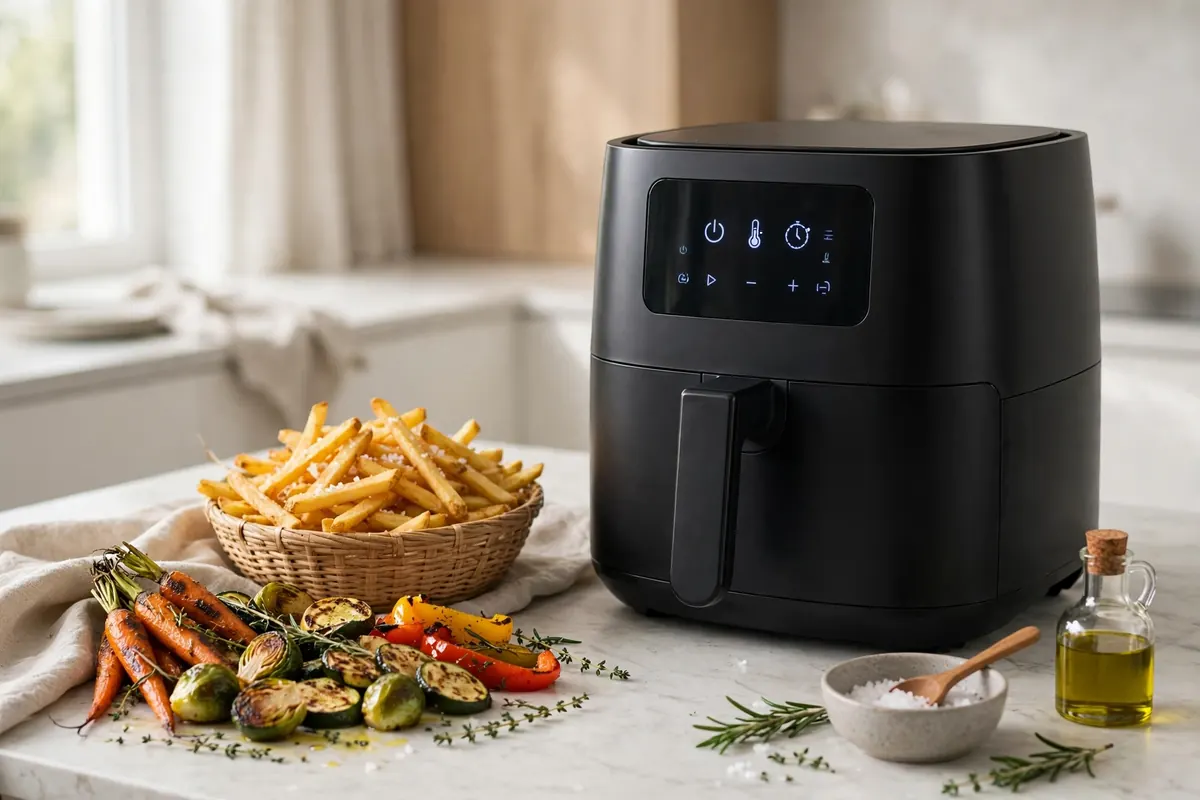
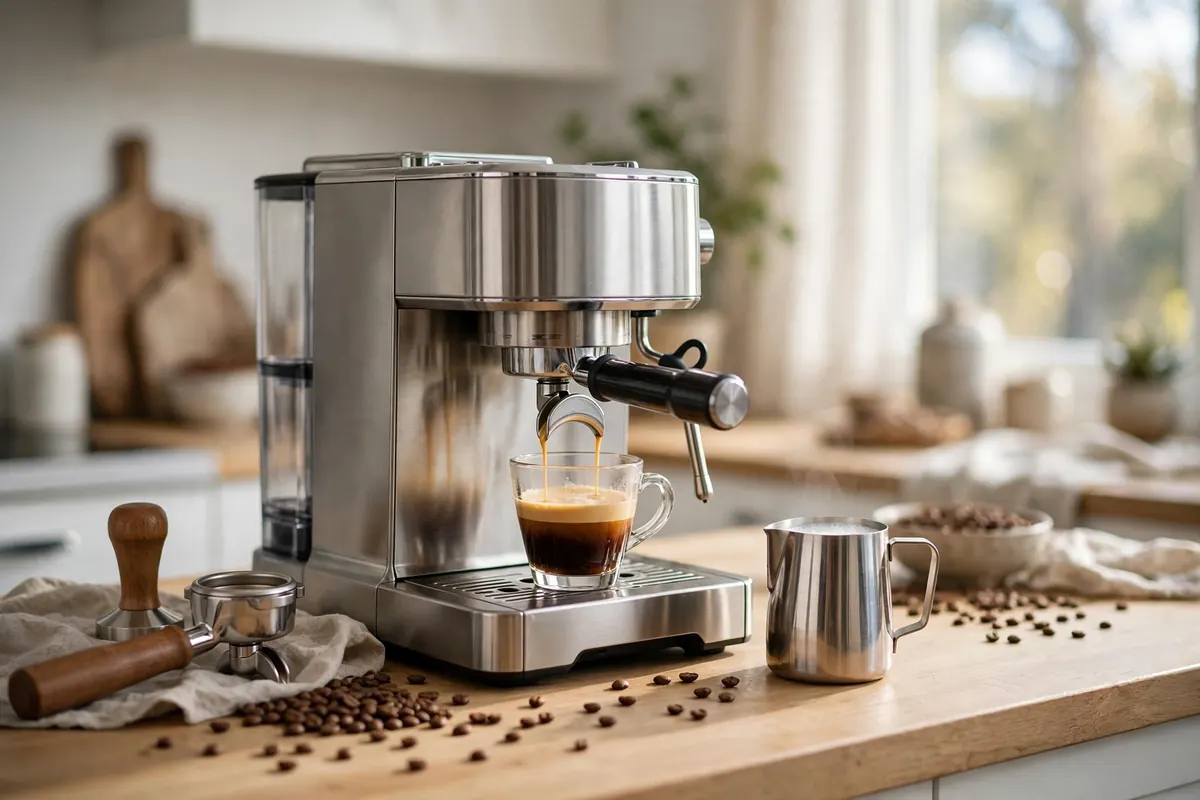
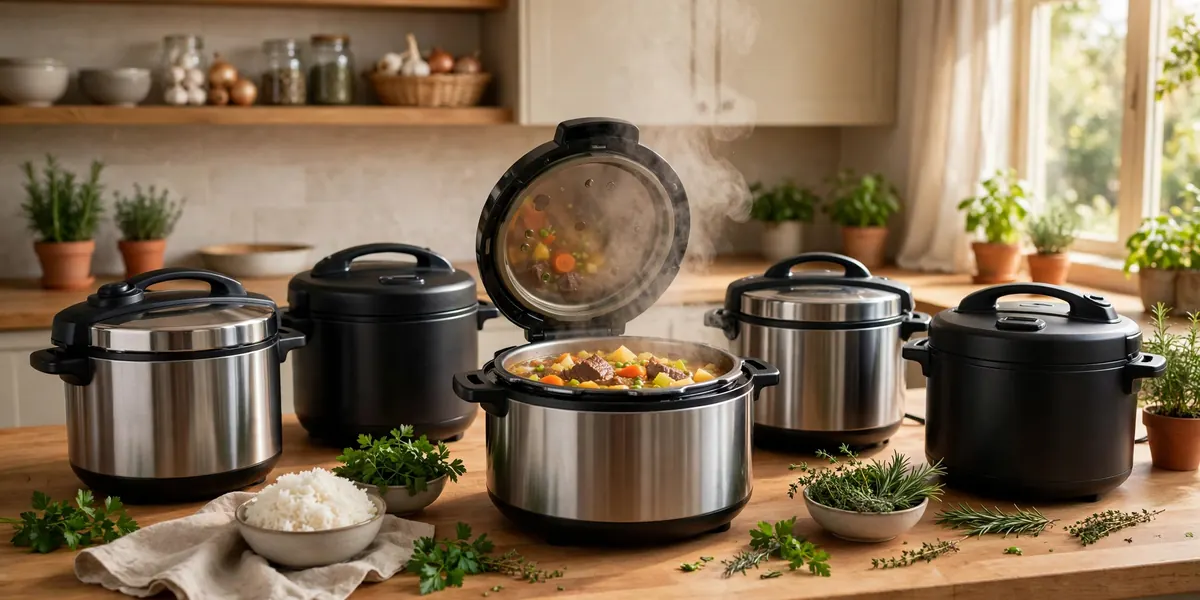
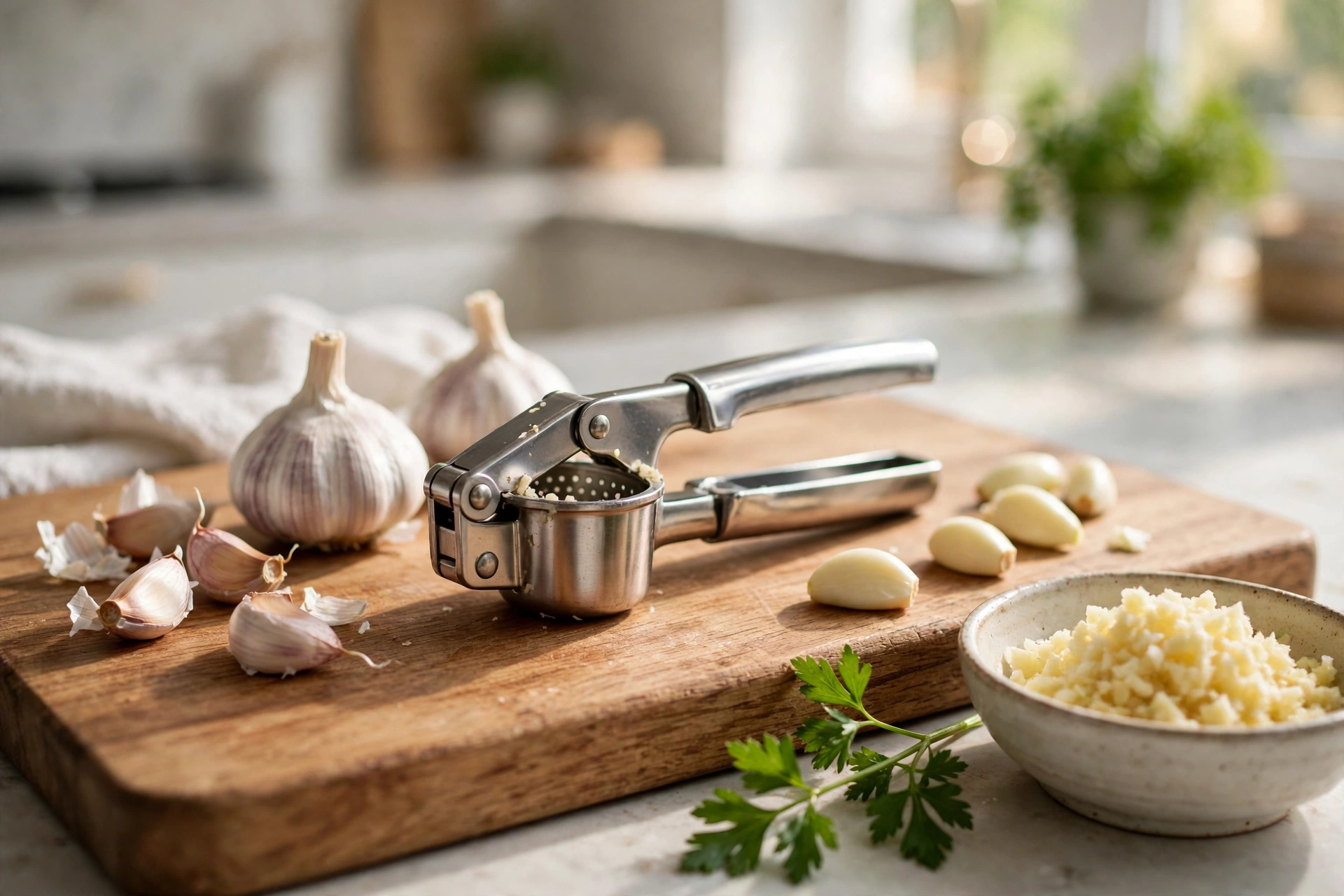
CookSmartPicks is an independent buying-guide site for home cooks in Canada and the United States. Every guide starts with a real shopping problem — a family that needs a bigger air fryer, a small kitchen with no room for a full-size mixer, a first espresso setup on a budget — and ends with a shortlist we can explain pick by pick. The site is run by Faizan as a reader-supported publication. No brand pays for coverage, placement or rankings, and no guide exists because a manufacturer asked for it.
Each guide is built by research, not by buying a shelf of products. We gather the strongest independent evidence available — expert and laboratory reviews, manufacturer specifications and verified owner experience — and reconcile it. Where good sources disagree about a product, the guide says so and explains why, rather than averaging them into a score. Every pick carries its reasoning, its pros and its cons, and a plain “skip if” line naming who should not buy it. And when a pick rests on research rather than our own countertop, the page says so — we do not dress research up as hands-on testing.
Why you won’t find prices on this site
Appliance prices move too fast to print honestly: a figure that was right on Monday can mislead by Friday, and the Canadian and US stores rarely move together. So our guides never carry prices. Each pick links to the live listing on Amazon.ca or Amazon.com, where the price you see is the real one, in your own country. As an Amazon Associate, CookSmartPicks earns from qualifying purchases — that is how the research is funded — and the commission never changes the order of the picks.
Same rankings, different stores
Canadians and Americans mostly shop for the same machines, so the rankings are shared. What differs is the buying: stock, warranties and returns are country-specific, so every guide checks availability in both countries and gives each its own button. Buying from your own country’s store keeps the warranty valid and returns simple. The full method is public — read How We Research and our Editorial Policy.
A guide’s date is the last day its content actually changed — not the day it was last looked at. When models are replaced, sources update or a reader catches an error, the guide is reworked and its date moves with it.
 Kitchen Gadgets & Knives