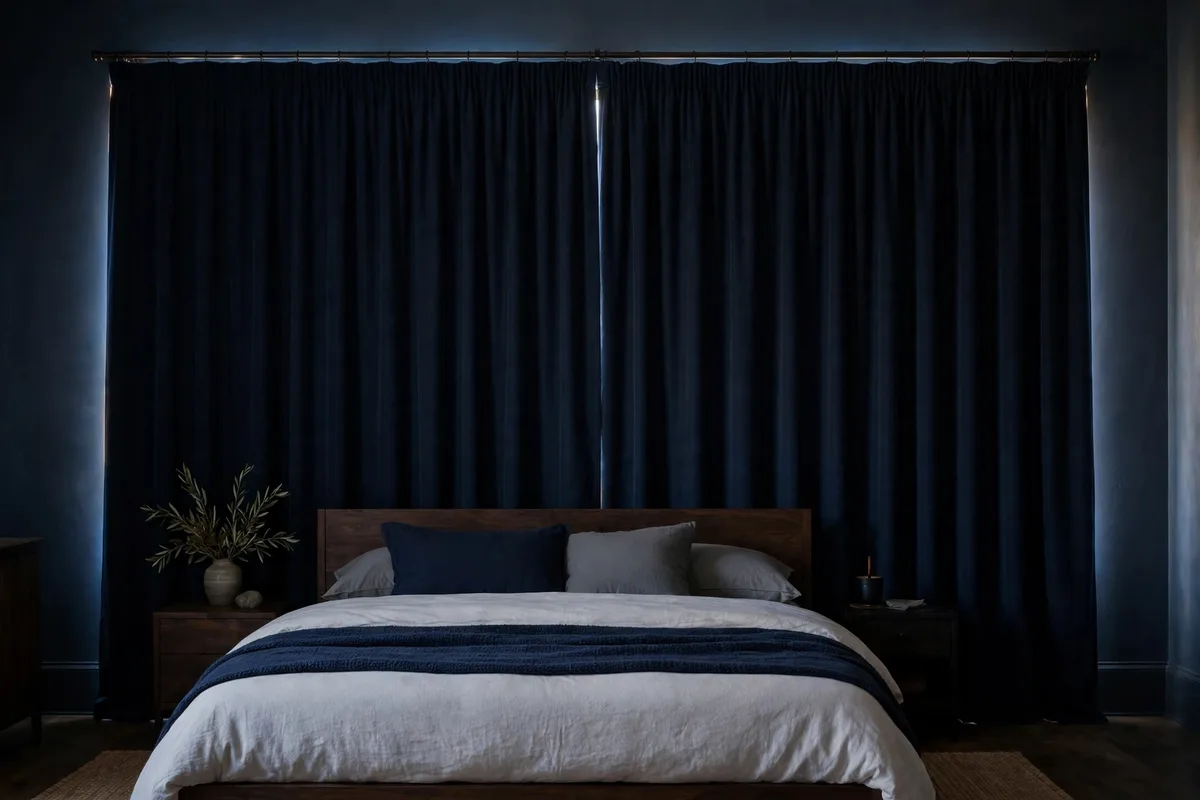
Real blackout is a system, not a fabric: a triple-weave panel blocking 95% or more of light, hung high, wide and full, will out-darken a premium panel hung flat on the frame — and the NICETOWN and H.VERSAILTEX picks below lead this guide because their woven black-core construction delivers the fabric half honestly at prices that leave budget for the rod. The side gaps, top spill and stretched-flat folds are where most ‘blackout’ bedrooms fail, and this guide’s deep-dive fixes them in order.
The five picks divide by room and rigour: two triple-weave all-rounders, a soft-drape specialist, a true-darkness liner-grade option, and a textured budget pair. Each entry states its construction and blocking class in the open. The dark room pairs with the best white noise machines in Canada and the USA guide for the sound half of sleep, the best heated blankets in Canada and the USA picks for winter nights, and the best mattress toppers in Canada and the USA guide underneath it all.
Disclosure: CookSmartPicks is reader-supported. When you buy through links on this page, we may earn an Amazon commission at no extra cost to you. Prices and availability change often — check the current price on Amazon before you decide.
How we chose these blackout curtains
The shortlist was built on construction honesty: triple-weave panels whose blackout comes from a woven black core (no coating to crack, a drape like real fabric) were preferred, and every pick’s light-blocking claim was read against its construction rather than its adjectives — ‘blackout’ in this market spans 85% to 100%, and the guide favours brands whose numbers and weave agree. Panels that are merely dark-coloured dim-outs were cut.
The practical filters followed: size ranges wide enough to hang correctly (1.5–2× window width, high and wide), washable fabrics, grommet and rod-pocket options for the rods people own, and colour ranges deep enough to let buyers choose darkness without surrendering the room’s daytime look. Every pick is stocked through normal Canadian home retail, most at prices that make the two-panel bedroom an easy decision.
The lineup at a glance
| Product | Best for | Why it stands out |
|---|---|---|
| NICETOWN Blackout Curtains (Triple-Weave, Grommet) | Best overall | The category’s default: woven black-core panels in every size a home owns |
| H.VERSAILTEX Blackout Curtains (Textured Triple-Weave) | Best looking | The décor panel: blackout that reads as interior design in daylight |
| Deconovo Blackout Curtains (Soft Triple-Weave) | Best drape | The quiet panel: heavy, soft folds for the room where sleep is sacred |
| Eclipse Blackout Curtains (Lined, Room-Darkening Plus) | Best total darkness | The rigorous panel: lined construction for rooms that must be dark |
| Miuco Blackout Curtains (Triple-Weave Pairs) | Best budget pairs | The fleet buy: honest blackout pairs priced to darken every bedroom |
1. NICETOWN Blackout Curtains (Triple-Weave, Grommet) — Best overall
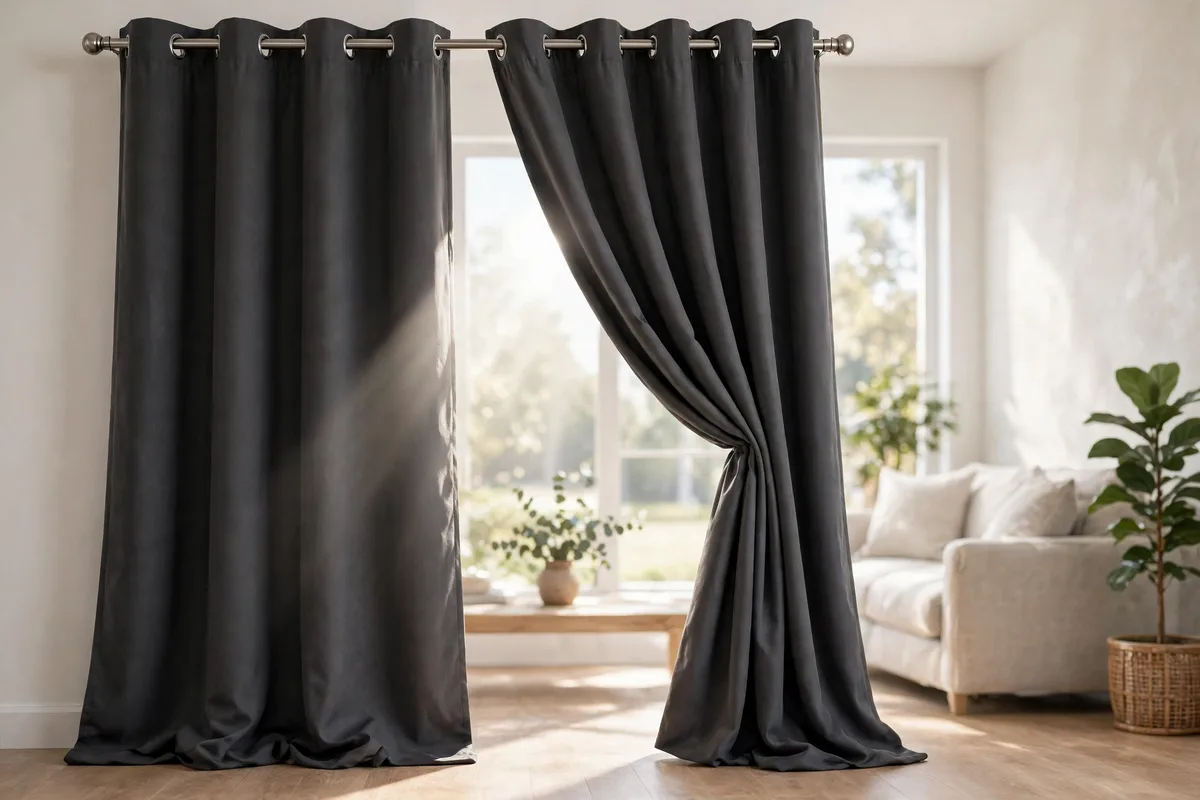
NICETOWN is the name this category runs on, and the construction earns it: a true triple-weave panel — face fabric, black yarn core, face fabric — that the brand rates at 85–99% light blocking depending on colour (the honest, colour-dependent way to state it), with the drape and hand of ordinary curtain cloth because there is no coating to stiffen it. The size catalogue is the deepest in this guide, from short kitchen lengths to full patio-door panels, and the colour range runs past forty options — the two facts that let a household hang every room correctly instead of approximately.
In the bedroom the result, hung high and wide at proper fullness, is the darkness the reviews describe: streetlights gone, dawn postponed, the noon nap plausible. The fabric also carries the category’s standard thermal bonus, softening the window’s winter chill and summer glare-heat, and it machine washes like the uncoated weave it is. Grommet tops in metal finishes slide freely on standard rods — the 2 a.m. close is silent, a detail shift workers’ households learn to love.
Canadian availability is online and total, at prices that make the two-panel, full-width hang an easy buy rather than a compromise. For the first blackout purchase in most homes, this is the guide’s default: measure generously, choose a darker colour than your first instinct, and spend the savings on the wrap-around rod.
Ownership is repeat-purchase shaped: households do the bedroom, then the nursery, then the media room, in the same panel — the surest sign a default pick is priced and built at the category’s centre of gravity.
Order a single pair first if the colour decision is agonizing: dye lots are consistent within an order, but judging a colour’s noon glow-through requires the actual panel on the actual window — one pair is a cheap experiment; six pairs are a commitment.
Yay · Pros
- True triple-weave — no coating to crack
- Deepest size and colour catalogue here
- Machine washable; honest colour-based ratings
Hmm · Cons
- Wrinkles from the package need a steam
- Mid colours glow slightly at noon
- Grommet tops only on most styles
Best for: Most bedrooms — the proven triple-weave default Skip if: You need certified total darkness — the Eclipse below adds a liner-grade build
2. H.VERSAILTEX Blackout Curtains (Textured Triple-Weave) — Best looking
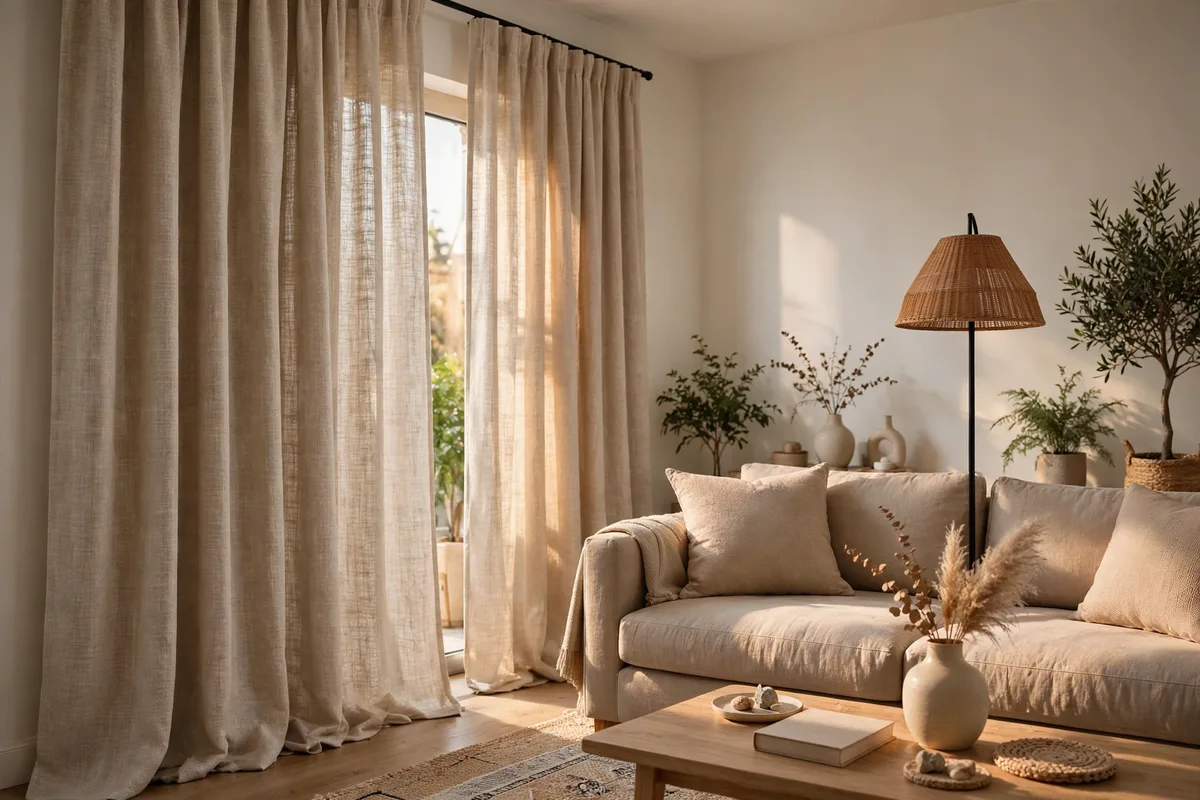
H.VERSAILTEX sells the same triple-weave technology with a stylist’s eye: the fabrics carry subtle textures and linen-look finishes that read as décor first and blackout second, which is precisely the brief for living rooms and guest rooms where the panel’s day job matters as much as its night one. The black-core weave blocks in the same 90%+ class as the leader (the brand’s figures vary by colour, as all honest ones do), and the panels’ drape — a little more fluid than the NICETOWN’s — hangs in the soft folds that make a room look finished rather than fortified.
The catalogue covers the standard window sizes generously, with rod-pocket and grommet variants, and the colour palette leans into the warm neutrals and muted tones that current interiors actually use. Washing follows the triple-weave rule — cold, gentle, easy — and the fabric’s texture hides the creases that plain weaves advertise, a small mercy for households that will never own a steamer.
Canadian availability is online at prices a step above the leader and below the boutiques. For the room where guests sit in daylight and sleep at night — the dual-purpose space that defines most homes — H.VERSAILTEX is the panel that never has to explain itself in either shift.
Ownership shows in daylight photographs: these are the blackout panels that appear in room-makeover posts without the caption mentioning blackout at all — the technology fully absorbed into the decoration, which is the living room’s whole requirement.
The textured weaves forgive a multitude of hanging sins: slight length unevenness and imperfect pleats disappear into the fabric’s visual grain, which is exactly why decorators reach for texture in rooms that daylight guests will actually see.
Yay · Pros
- Décor-grade textures and colours
- Same black-core blocking class as the leader
- Crease-forgiving fabric; easy washing
Hmm · Cons
- Slightly lighter hand than NICETOWN’s weave
- Best colours sell through seasonally
- Rod-pocket styles hang less freely than grommets
Best for: Living rooms and style-first bedrooms Skip if: You want the deepest size range — NICETOWN’s catalogue runs wider
3. Deconovo Blackout Curtains (Soft Triple-Weave) — Best drape
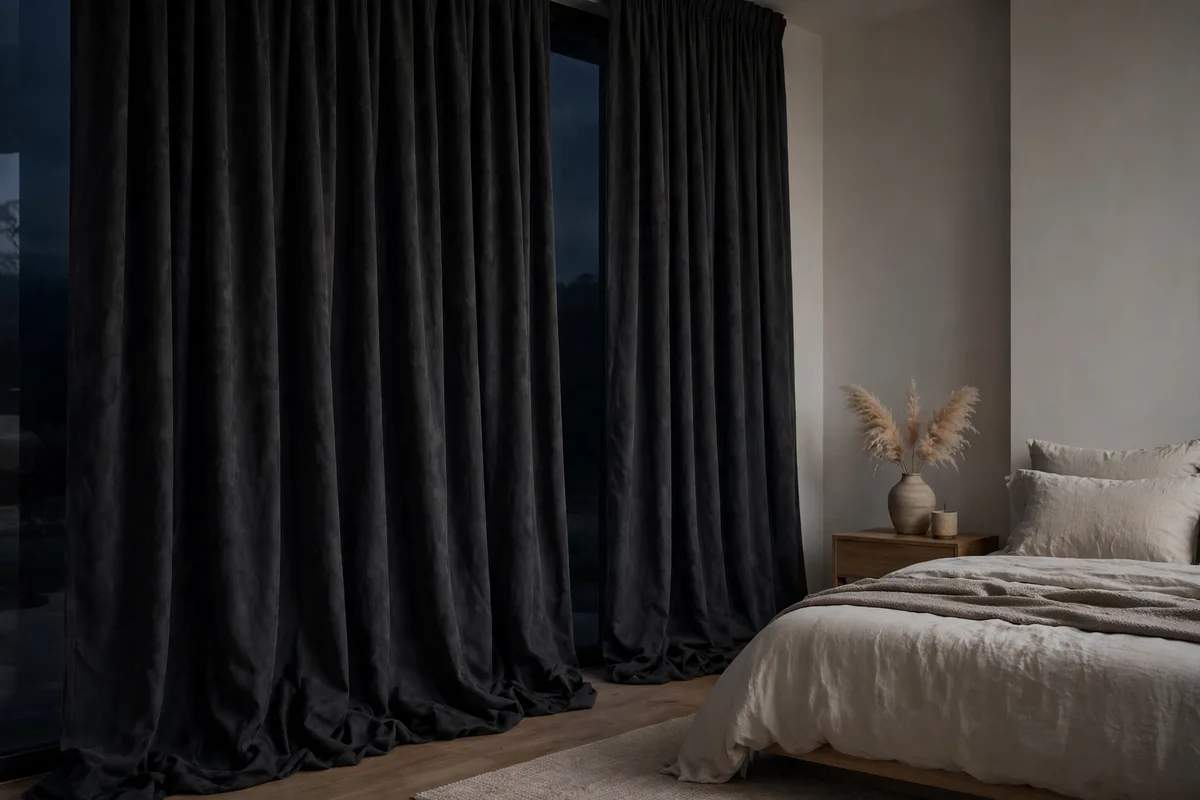
Deconovo’s blackout panels are the soft option: a triple-weave fabric with a notably supple, almost brushed hand that hangs in heavy, quiet folds — the panel for the bedroom whose brief includes calm as a material property. The blocking sits in the same woven-core class as the leaders (the brand rates its darker colours at the top of the range), and the fabric’s weight gives it a sound-softening presence at the window that lighter panels do not match, within the honest limits this guide sets for curtain acoustics.
The range covers the main bedroom sizes with grommet tops, and the colour palette is the moodiest here — deep charcoals, inks and forest tones that happen also to be the colours that block best, a rare case of the aesthetic and the physics voting together. Washing is standard triple-weave easy, and the fabric resists the fold-memory that makes freshly hung panels look packaged.
Canadian availability is online at mid-range prices. For the primary bedroom — the room where blackout is a nightly ritual rather than a guest courtesy — Deconovo’s weight and quiet are the upgrade the hand notices every time the panel is drawn.
Ownership’s detail is the draw: owners mention the sound, or its absence — a heavy panel closing is a soft final note to the day, and rituals accrue value in exactly that currency.
Weight has a hardware consequence: Deconovo’s heavier panels deserve a rod rated for them, mounted into studs or proper anchors — a sagging rod opens the top gap this guide exists to close, and the panel gets blamed for the bracket’s failure.
Yay · Pros
- Heaviest, quietest drape in the guide
- Deep colours that block at the top of the class
- Standard easy triple-weave care
Hmm · Cons
- Lighter colours block less — choose dark for bedrooms
- Size range narrower than the leaders’
- Foam-like hand is a preference, not a flaw
Best for: Soft drape and quiet rooms Skip if: You need pale colours with maximum blocking — physics favours the dark panels
4. Eclipse Blackout Curtains (Lined, Room-Darkening Plus) — Best total darkness
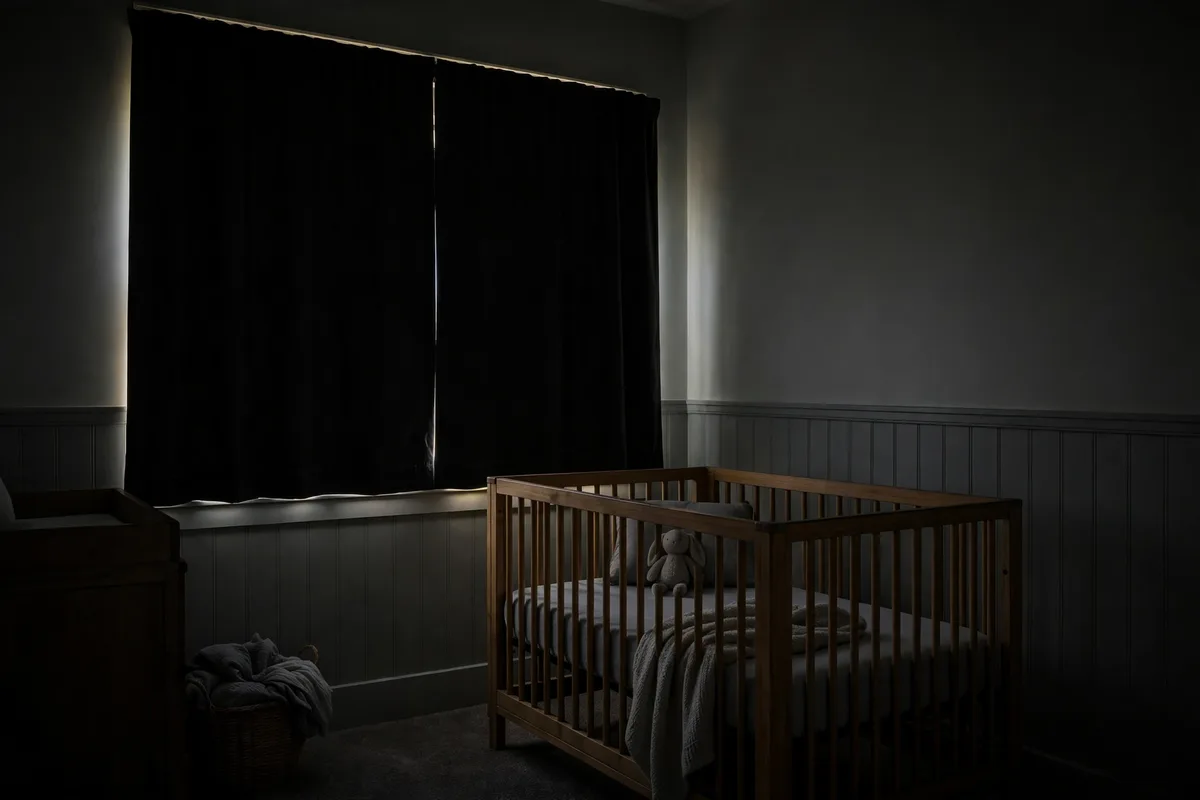
Eclipse is the legacy blackout name — the brand that put foam-backed and liner-grade panels into North American big-box stores — and its role in this guide is the rigorous end: panels built with blackout linings and denser constructions aimed at the closest thing to total darkness a curtain can claim. For the nursery at noon, the media room at matinee, and the night-shift bedroom at 10 a.m., this is the construction class the brief demands, and Eclipse’s long retail history means the panels are sized, priced and stocked for real windows rather than boutique ones.
The trade is stated plainly: lined panels hang stiffer than triple-weave, wash more carefully, and look more functional than decorative. Paired with the sealed mounting this guide’s deep-dive prescribes — high, wide, wrap-around or track — the Eclipse class is how the last few percent of light are actually eliminated: fabric and geometry finally pulling together.
Canadian availability through big-box and online retail is excellent, at mid-range prices that make the rigorous option an easy experiment. Buy them for the room whose darkness is a requirement with a stakeholder — a sleeping baby, a shift worker, a projector — and let the prettier panels serve the rooms where darkness is a preference.
Ownership is purpose-kept: these panels rarely migrate rooms, because the room they were bought for keeps its requirement — the nursery stays dark for years of naps, which is the entire return on the purchase, paid daily.
For shift workers, pair the lined panels with door discipline: a bedroom door left open to a lit hallway defeats the best curtain at its frame, and a simple door sweep closes the last light path in most bedrooms.
Yay · Pros
- Liner-grade construction — darkest class here
- Big-box sizing and stocking for real windows
- The nursery and shift-worker standard
Hmm · Cons
- Stiffer drape than triple-weave picks
- Gentler washing required
- Looks are functional, not decorative
Best for: Nurseries, media rooms and day sleepers — maximum darkness Skip if: You want soft drape and easy care — the triple-weave picks hang prettier
5. Miuco Blackout Curtains (Triple-Weave Pairs) — Best budget pairs
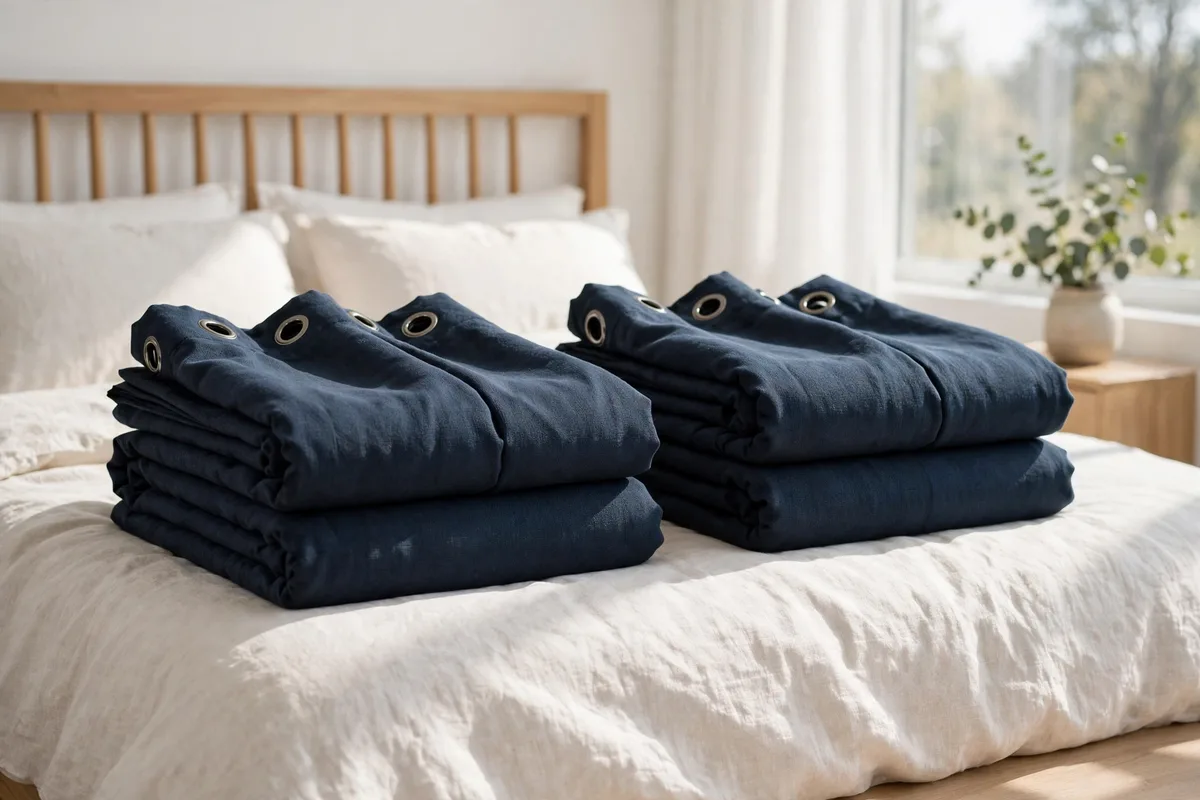
Miuco’s blackout pairs are the budget route to a whole dark house: triple-weave panels sold in pairs at prices that let a household do three bedrooms for the cost of one boutique room, with grommet tops, a serviceable colour range, and blocking in the honest class for the weave — darker colours performing at the level family bedrooms need. The fabric is lighter than the premium picks and the finish simpler, and neither fact prevents the panel from doing its one job when hung with the fullness and overlap this guide prescribes.
The value math is the argument: blackout’s benefits are per-room and cumulative — the kids’ rooms, the guest room, the early-shift parent’s room — and a panel that is 90% as good at half the price darkens twice the house. Miuco’s owner base, large on both sides of the border, reports exactly that deployment pattern.
Canadian availability is online at the lowest per-panel cost in this guide. For renters outfitting a whole flat, landlords furnishing units, and families darkening every bedroom in one order, Miuco is the rational fleet purchase — with the guide’s standing advice to choose its darker colours, where its blocking earns the blackout name outright.
Ownership is fleet-shaped: the second order matches the first, rooms are done in batches, and the household’s sleep improves by corridor rather than by room — the budget pick’s systemic advantage, visible from the hallway.
Fleet-buying tip: order every room’s panels in one purchase so the dye lot matches across the house, and add one spare pair — a discontinued colour discovered at replacement time is the budget strategy’s only real trap.
Yay · Pros
- Pairs priced for whole-home outfitting
- Honest triple-weave blocking in dark colours
- Grommet tops; easy standard care
Hmm · Cons
- Blocking varies more by colour — buy dark
- Thinner hand than premium weaves
- Hardware finishes are basic
Best for: Whole-home outfitting on a budget Skip if: One statement room deserves better — the H.VERSAILTEX hangs like décor
Light leaks, not fabric: why most ‘blackout’ bedrooms still glow
Almost every disappointment with blackout curtains is an installation failure wearing a fabric’s blame: the panel blocks what hits it, and the glow comes from around it — the gap above the rod, the slits at the sides, the spill underneath. The fixes are geometric: mount the rod 4 to 6 inches above the frame and wider than it, so the panel overlaps wall on every side; choose panels whose combined width is 1.5 to 2 times the window’s width, because flat-stretched fabric leaks at every fold’s edge while gathered fabric seals; and let the hem kiss the sill or the floor. Do those three things and mid-range panels outperform premium fabric badly hung — the guide’s most money-saving paragraph.
Rod choice is part of the seal: wrap-around (return) rods curve the panel back to the wall at the sides, eliminating the side slits that standard rods guarantee, and they cost little more. Ceiling-mount tracks go further for the truly committed — the hotel solution — and for renters, the same effect approximates with wide, high mounting and side overlap. Shift workers and parents of dawn-waking toddlers, the two populations whose sleep depends on this, should budget as much attention for the mount as for the panel; the testimonials in this category divide almost perfectly on that line.
The fabric’s own numbers deserve translation: ‘blackout’ spans 85% to 100% light blocked, and the honest end of the market says which. Triple-weave achieves its rating with a black yarn core — no coating to crack, washable, and draping like cloth; coated fabrics can rate higher on paper but stiffen the drape and age at the folds. For a bedroom, 95%+ in triple-weave, correctly hung, reads as darkness; the last few percent are lost to gaps long before fabric. Reserve true-100% ambitions (nurseries at noon, media rooms) for coated panels plus sealed mounting, and know the price is drape.
Colour is the quiet variable: darker colours block measurably more light through the same weave and hide the glow-through that pale panels show at noon, while the white-backed designs exist for condo rules and street appearance. In practice: choose the darkest colour the room’s daytime self can love, because the panel’s night job is the reason it was bought, and its day job is being looked at — the picks above all carry broad colour ranges precisely so that trade can be made per room.
Thermal and acoustic claims deserve the guide’s usual calibration: blackout panels do insulate — the weave and the trapped air layer measurably cut window heat loss and summer gain, which in Canadian winters and southern summers is a real energy footnote — and they soften street noise slightly, but they are curtains, not windows or walls. Buy them for darkness; accept the thermal help as a bonus; and for noise, pair them with the white-noise approach in this site’s sleep guides rather than expecting fabric to do a decibel miracle.
Renters are not excused from any of this: tension rods inside the frame leak worst of all, but a high-mounted rod on removable adhesive hooks rated for the weight — or a wrap-around rod on the smallest possible screws, with one dab of filler at move-out — achieves nearly the sealed result. Landlords rarely object to two pinholes weighed against a year of a tenant’s sleep, and the darkness difference between frame-mounted and wall-sealed is the difference this whole guide is about.
Blackout curtain questions, answered
My blackout curtains still let light in — why?
Often it is the hanging, not the fabric: mount the rod 4–6 inches above and wider than the frame, use panels totalling 1.5–2× the window’s width so folds seal, let the hem reach the sill or floor, and consider a wrap-around rod that returns the panel to the wall at the sides. Those four fixes cure most glow; if light still comes through the fabric itself at noon, the panel is a dim-out, not a blackout, and a triple-weave 95%+ panel is the upgrade.
What size blackout curtains should I buy?
Measure the window, then buy width generously: combined panel width of 1.5 to 2 times the window width gives the gathers that seal and look right. For length, sill-length for tidy rooms, floor-length for the best seal and the hotel look — and measure from where the rod will actually sit (high and wide), not from the frame. When between lengths, longer seals better.
Triple-weave or coated blackout — which is better?
Triple-weave (a black yarn woven between two face layers) drapes like normal fabric, washes without special care, and blocks roughly 95–99% of light. Coated or lined blackout can reach a true 100% but hangs stiffer, can crack at folds over years, and needs gentler washing. For bedrooms, triple-weave correctly hung is the sweet spot; for nurseries and media rooms chasing total darkness, coated plus sealed mounting is the route.
How do I wash blackout curtains?
Most triple-weave panels machine wash cold on gentle and tumble or line dry — check the label, and wash them before first hanging to soften the drape and remove the fold lines (a gentle steam finishes the job). Coated panels usually want cold gentle washing and line drying only. Close any hooks or rings hardware before washing so nothing snags the weave.
Do blackout curtains help with heat and noise too?
They help modestly on both counts: the dense weave and the still-air layer behind it reduce window heat loss in winter and solar gain in summer, and they take the edge off street noise. They will not transform either — think of the thermal effect as a genuine bonus on the darkness you bought, and pair noise-sensitive rooms with a white noise machine for the rest.
Are blackout curtains worth it for a nursery?
Yes — they are one of the highest-impact nursery purchases: a genuinely dark noon nap room supports the sleep training every parent is attempting, and the same panels regulate the room’s temperature swings. Choose washable triple-weave (nurseries generate laundry), hang them high and wide with the rod secured into studs or proper anchors, and keep cords out of reach or choose cordless mounting — the standard child-safety rule for any window covering.
The short version
Buy NICETOWN for the all-round bedroom default, H.VERSAILTEX where daylight looks matter, Deconovo for the quietest drape, Eclipse where darkness is a requirement, and Miuco to outfit the whole house. Then hang them high, wide and at 1.5–2× fullness on a wrap-around rod — the mounting, more than the fabric, is where blackout is won.
Last updated: November 18, 2026. We refresh this guide each season and whenever a pick is replaced by a better one.