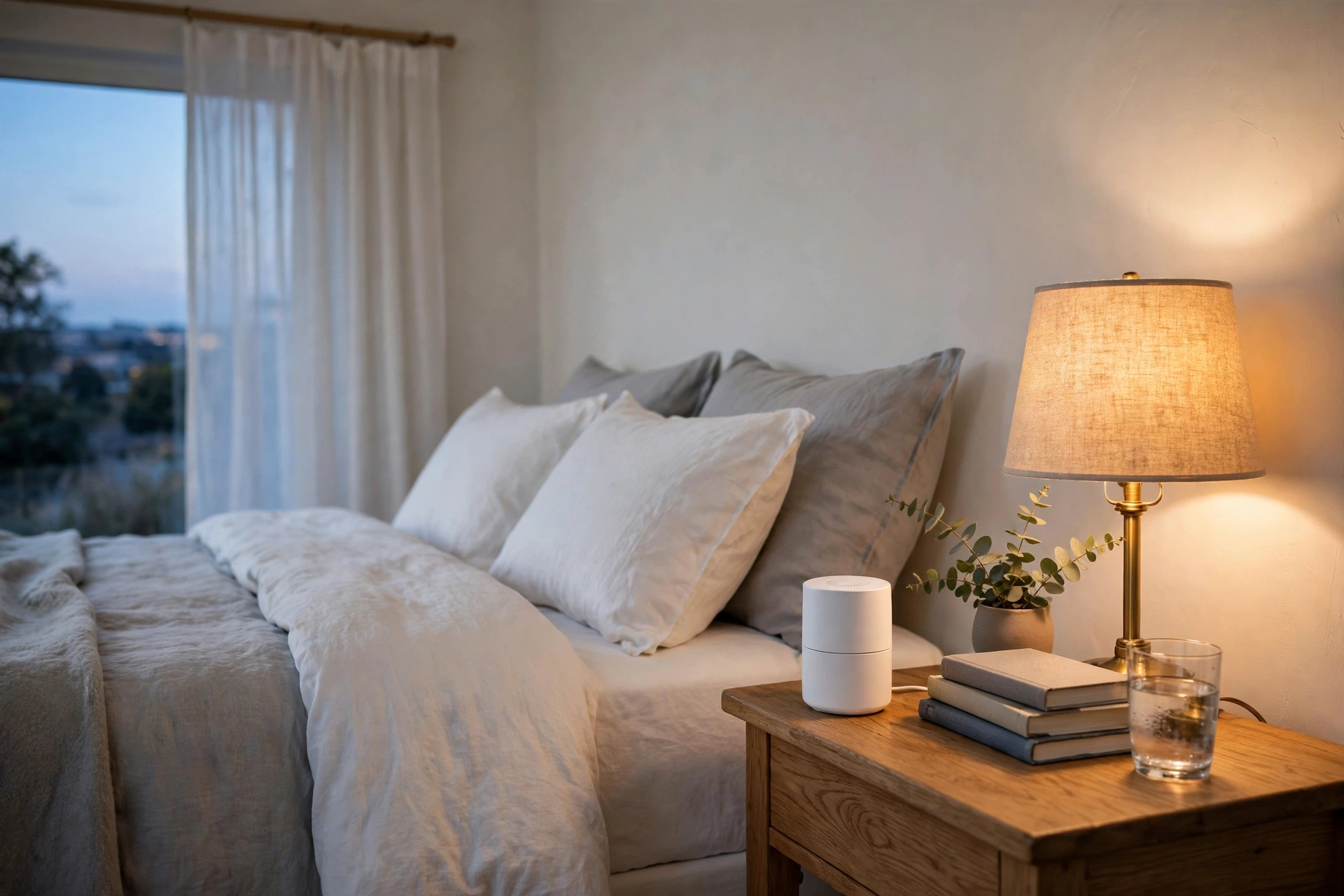
A white noise machine does not make a room quieter. It makes the room steadier — it raises the background floor so the sounds that actually wake you, the snore that changes pitch, the truck that downshifts outside, the hallway door at 3 a.m., stop standing out against silence. That distinction decides which machine to buy, because the category splits cleanly in two: real-fan machines that move actual air, and digital machines that generate the sound electronically. Everything else — timers, apps, sunrise lights — is decoration on top of that one choice.
The honest headline, before the picks: the fan-versus-digital split matters more than any feature list, and the sleep science behind all of these machines is thinner than the marketing suggests. A 2021 analysis in Sleep Medicine Reviews rated the evidence for white noise as a sleep aid very low quality. These are masking tools, not medical fixes — genuinely useful for light sleepers, shift workers, office privacy and tinnitus masking, and we have judged them as exactly that. One more honesty note: there is no real Canada-versus-USA split here. The machines are identical on both sides of the border and sold on both Amazons, so this post wins or loses on the per-use-case picks, not on a geographic hook.
How we chose these white noise machines
We built this list from the tested roundups that take the category seriously — the National Council on Aging's guide, which measured maximum volume model by model, plus BlowMyCash, BeatCopGame, SleepWiseReviews and GetSome.Rest — and cross-checked them against owner evidence on Amazon in both countries, including the roughly 41,000 ratings behind the category's anchor product. Where testers disagree, we say so. CookSmartPicks does not run its own sleep lab; what we do is reconcile the published evidence and flag the trade-offs the roundups bury.
Three things separated the picks. Sound honesty — whether the sound is a real fan, a generated non-looping stream, or a short recording that repeats until your brain finds the seam. Volume headroom — masking is a volume game, and a machine that cannot get loud enough to cover a snore is furniture. The right extras for the job — pink and brown noise for tinnitus, a battery for travel, a timer for people who only need help falling asleep. Features beyond that were scored as pleasures, not necessities.
The lineup at a glance
| Machine | Best for | Why it made the cut |
|---|---|---|
| Yogasleep Dohm Classic | Best real-fan machine | A real physical fan inside — nothing ever loops, and it is the most-reviewed machine in the category |
| LectroFan Classic | Best digital overall | 20 electronically generated non-looping sounds with the volume to mask speech — the office privacy pick |
| LectroFan EVO | Best for tinnitus | The loudest machine in NCOA's testing, with pink and brown noise and a headphone jack — their tinnitus pick |
| SNOOZ White Noise Machine | Best fan with an app | A real fan with app scheduling and a proper timer — the premium pick in BestReviews.guide's Canadian roundup |
| Hatch Restore 3 | Best smart sunrise machine | NCOA's best overall — a deep sound library paired with sunrise wake-up light routines |
| Dreamegg D3 Pro | Best portable / budget | Rechargeable with roughly 12 hours of battery — BlowMyCash's best portable and GetSome.Rest's best budget |
1. Yogasleep Dohm Classic — Best real-fan machine
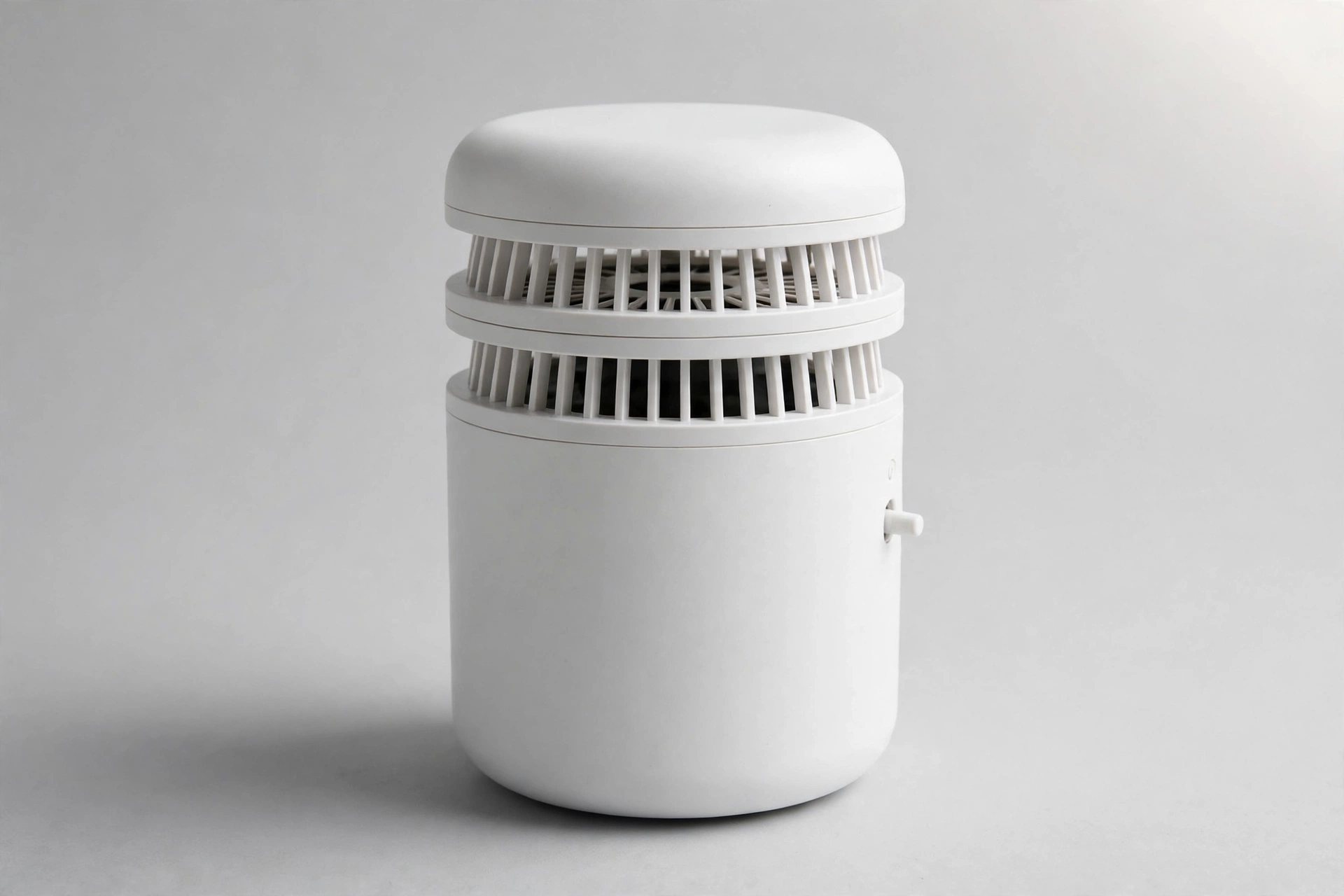
The Dohm is the original — a design sold since 1962 — and its trick is that there is no trick. Inside the housing sits a real fan, and the sound you hear is moving air shaped by rotating vent caps that open and close the slots. Because nothing is recorded, nothing can loop; there is no seam for your half-asleep brain to find at 2 a.m. BlowMyCash names it the best overall machine in the category, and it is the most-reviewed white noise machine on Amazon by a wide margin — 4.6 stars across roughly 41,000 ratings, per their count.
The trade-offs are built into the honesty of the design. A fan makes fan sound — there are no rain, ocean or pink-noise options, and the two-speed switch with the rotating caps gives you tone and volume in coarse steps rather than fine ones. It also needs a wall outlet, so it stays home. If the sound you want is the sound of air itself, though, every digital machine below is an imitation of this one.
Yay · Pros
- Real fan sound — nothing recorded, so nothing ever loops
- The category benchmark since 1962, with roughly 41,000 Amazon ratings behind it
- Dead simple to run — a switch and a twist, no app or menu
Hmm · Cons
- Fan sound only — no pink or brown noise, no nature library
- Two speeds means coarse volume steps
- Mains-powered only — it does not travel
Best for: light sleepers who want the most natural masking sound and a machine that simply works every night. Skip if: you want sound variety or tinnitus-specific tones — go straight to the LectroFan EVO below.
2. LectroFan Classic — Best digital overall
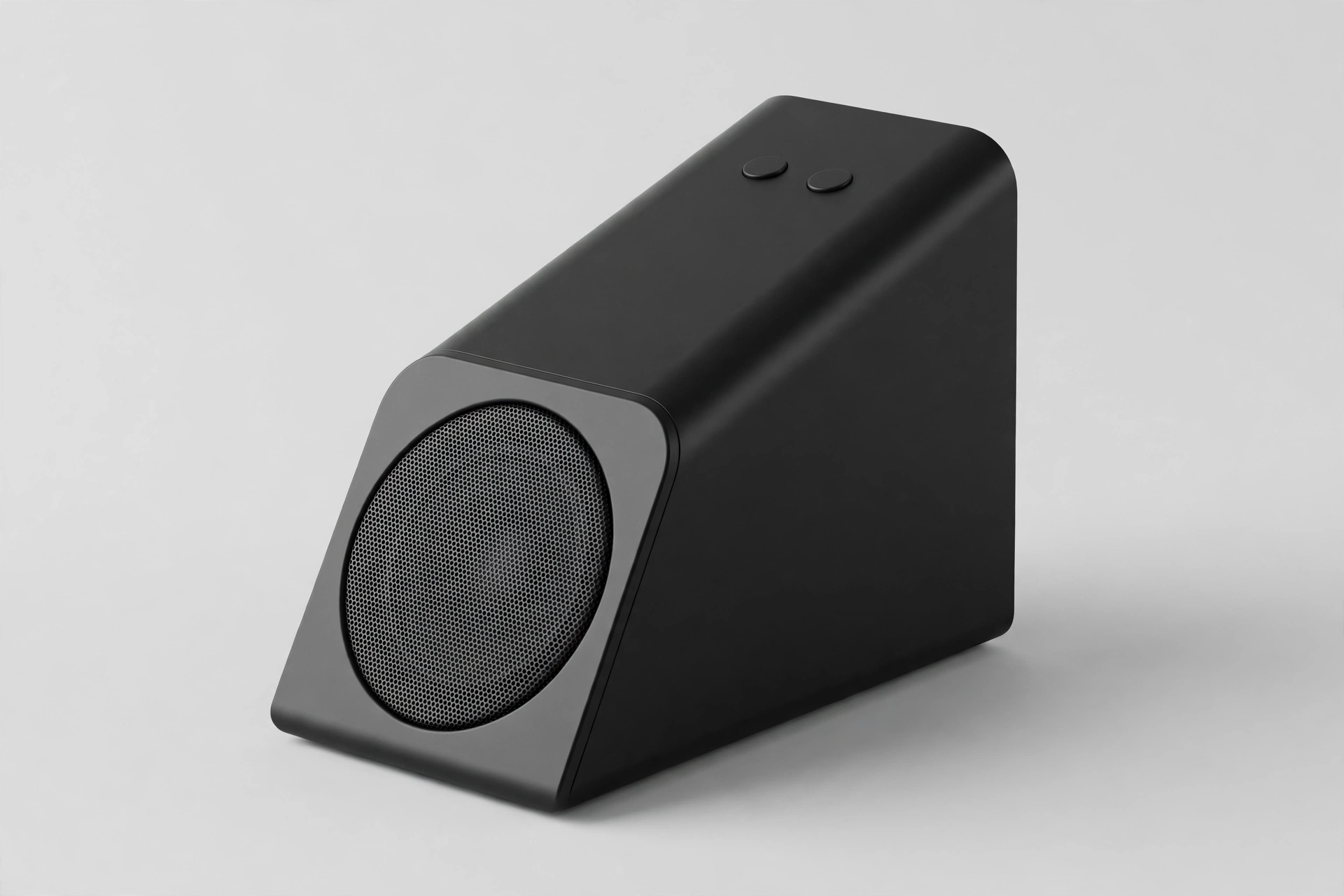
The LectroFan Classic takes the opposite route to the same destination: instead of recording fan noise or spinning a real fan, it generates its 20 sounds electronically, so — like the Dohm — there is no loop to detect. It is the top pick at both BeatCopGame and SleepWiseReviews, and it doubles as the category's office machine: the volume range and the deeper fan tones are strong enough to mask speech, which is why it keeps showing up as the pick for office privacy and focus, not just sleep.
What you give up is breadth of a different kind. The library is fan and noise sounds — there is no rain-on-a-roof or ocean-waves track for people who want nature — and the two-button control scheme takes a night or two to learn by feel in the dark. There are also no moving parts to wear out, which quietly makes this one of the longest-lived designs here.
Yay · Pros
- 20 generated sounds — non-looping by design, not by editing
- Volume and low-end weight that genuinely mask speech — the office privacy pick
- No moving parts to wear out or rattle with age
Hmm · Cons
- Fan and noise sounds only — no nature library
- Two-button controls take a night to learn by feel
- Mains-powered — no battery for travel
Best for: sleepers who want digital convenience without loop anxiety, and anyone masking voices at home or at work. Skip if: the whole appeal for you is real moving air — the Dohm and SNOOZ are your machines.
3. LectroFan EVO — Best for tinnitus and variety
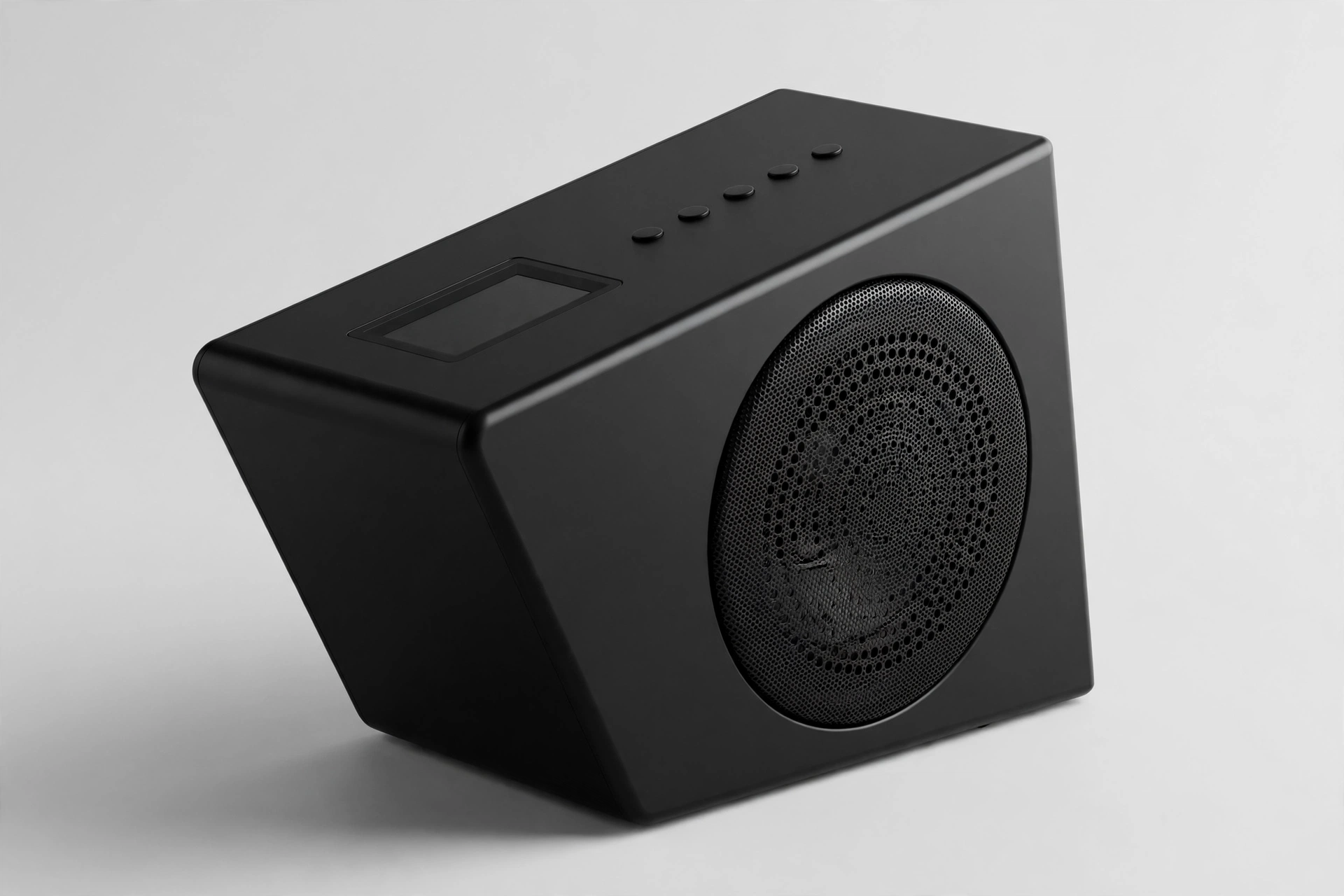
The EVO is the Classic's bigger sibling, and the National Council on Aging's testing gives it two distinctions that matter. It is their pick for tinnitus, and it was the loudest machine in their testing, reaching a maximum of 100.1 dB — far more headroom than a bedroom needs, which is exactly the point: a machine straining at its limit distorts, while the EVO masks at a comfortable fraction of its range. On top of the fan sounds it adds pink and brown noise — the softer, deeper tones many tinnitus sufferers and snore-maskers prefer — plus a headphone jack for listening without filling the room.
The honest cautions: that maximum volume is a ceiling, not a target, and any machine run loud all night, every night, deserves respect rather than enthusiasm. The EVO also costs more than the Classic for variety many buyers will never switch on, and like its sibling it is mains-powered only. Buy it for the tones and the headroom, not the spec sheet.
Yay · Pros
- Loudest in NCOA's testing at 100.1 dB max — masking headroom to spare
- Pink and brown noise alongside the fan sounds — NCOA's tinnitus pick
- Headphone jack for private listening
Hmm · Cons
- Easy to run louder than a bedroom warrants — restraint required
- Costs more than the Classic for variety some will never use
- Mains-powered only, like its sibling
Best for: tinnitus masking, heavy snorers on the other side of the bed, and anyone who has found lesser machines too quiet. Skip if: you only need gentle background sound — the Classic covers it for less.
4. SNOOZ — Best real fan with an app
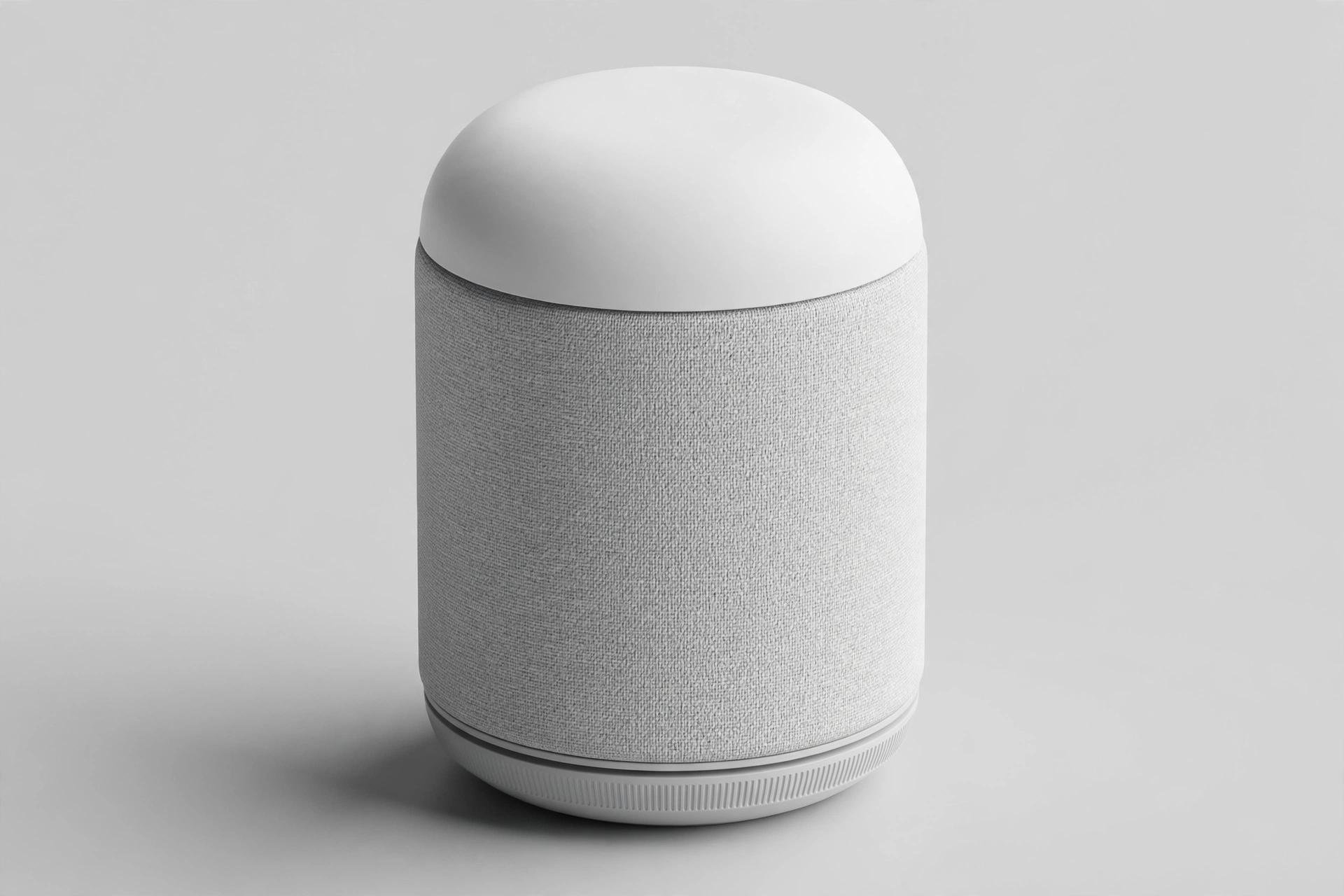
SNOOZ answers the Dohm's one real weakness — 1962 controls — without giving up the real fan. There is an actual fan inside, and the tone is shaped by a twist of the body, but the machine pairs with an app that adds the things the Dohm cannot do: scheduling, so the sound is already running before you get into bed, and a proper timer for people who only need help crossing into sleep. It is the premium pick at BeatCopGame and in BestReviews.guide's Canadian edition of this list.
Premium is the operative word — this is the considered-purchase end of the fan machines, and the app that justifies it is also its dependency: if you dislike controlling bedside devices from a phone, you are paying for features you will not touch. And like the Dohm, it makes one sound family only. The fan itself is the product; the app is the polish.
Yay · Pros
- Real fan sound with app scheduling and a proper timer
- Premium pick at BeatCopGame and BestReviews.guide CA
- Tone adjusts with a twist — no menus at the bedside
Hmm · Cons
- The best features live in the app — phone-averse buyers pay for polish they won't use
- Premium pricing for a single sound family
- Fan sound only — no pink/brown noise or library
Best for: real-fan believers who want modern scheduling, and couples who want the machine running before bedtime. Skip if: you want set-and-forget simplicity without a phone — the Dohm is the same idea with fewer moving pieces.
5. Hatch Restore 3 — Best smart sunrise machine
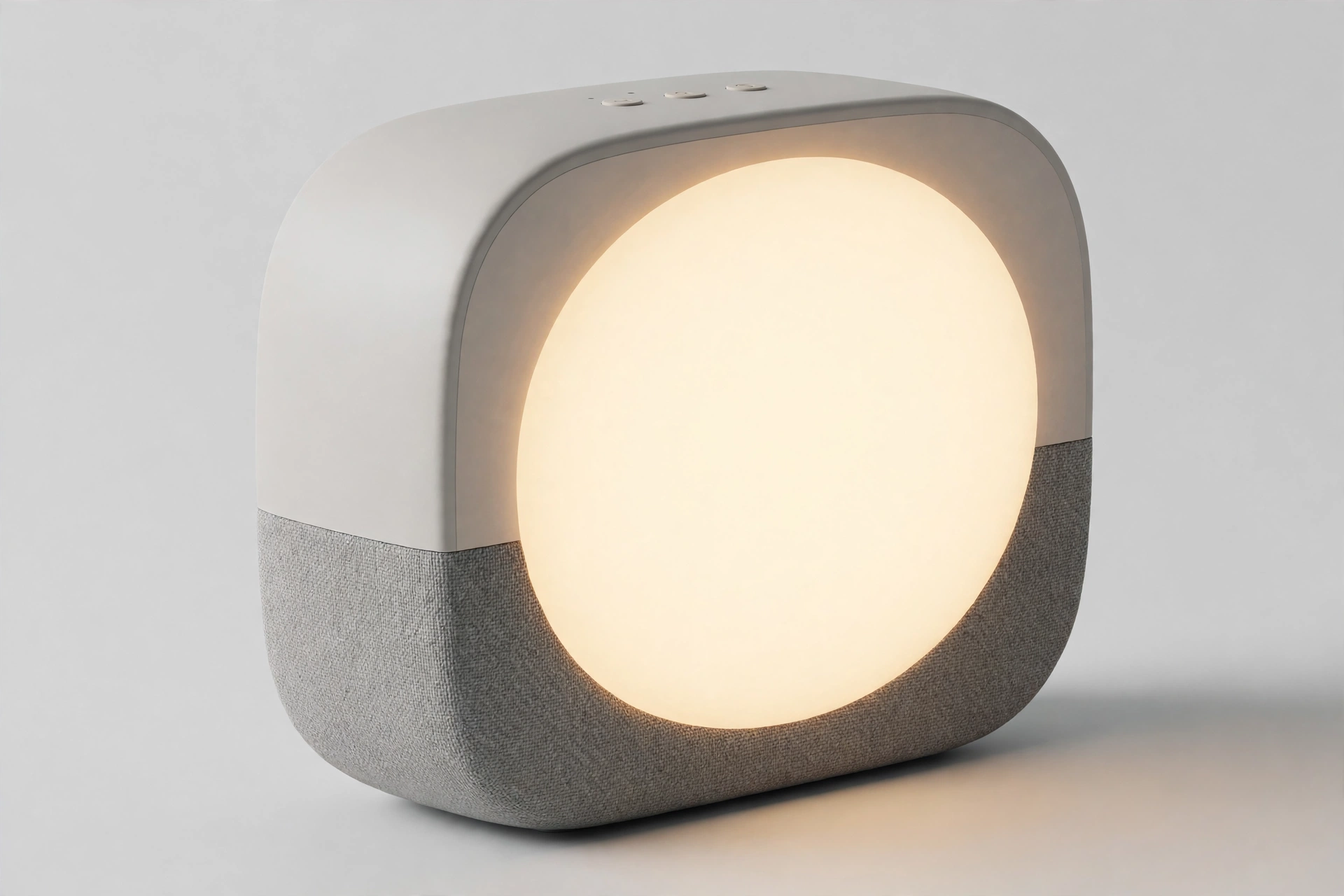
The Restore 3 is barely a white noise machine in the Dohm sense — it is a sleep routine in a box, and the National Council on Aging rates it their best overall. The sound library covers the night; the sunrise light handles the morning, brightening gradually to pull you out of sleep the way the sound eased you into it. For people whose problem is the whole cycle — wired at midnight, wrecked at seven — it addresses both ends, which no fan in a can attempts.
Two honest flags before you buy it. First, the upsell: Hatch's deeper content sits behind a subscription, and the roundups that praise the hardware note it — budget for the machine as it ships, not as the app wishes it to be. Second, it is an app-first device that needs setup and a phone nearby, the opposite of the Dohm's switch-and-sleep. Judge it as a routine system, not a noise box, and it earns its place.
Yay · Pros
- NCOA's best overall — sound and sunrise light in one device
- Deep sound library for the wind-down half of the night
- Wake-up light routines no other pick here offers
Hmm · Cons
- Deeper content sits behind a subscription upsell
- App-first setup — the least plug-and-play machine here
- The premium route in this lineup
Best for: people fixing a whole sleep routine, and anyone who hates alarm clocks more than they love simplicity. Skip if: you want a machine you can operate half-asleep with one hand — every other pick here is simpler.
6. Dreamegg D3 Pro — Best portable and budget
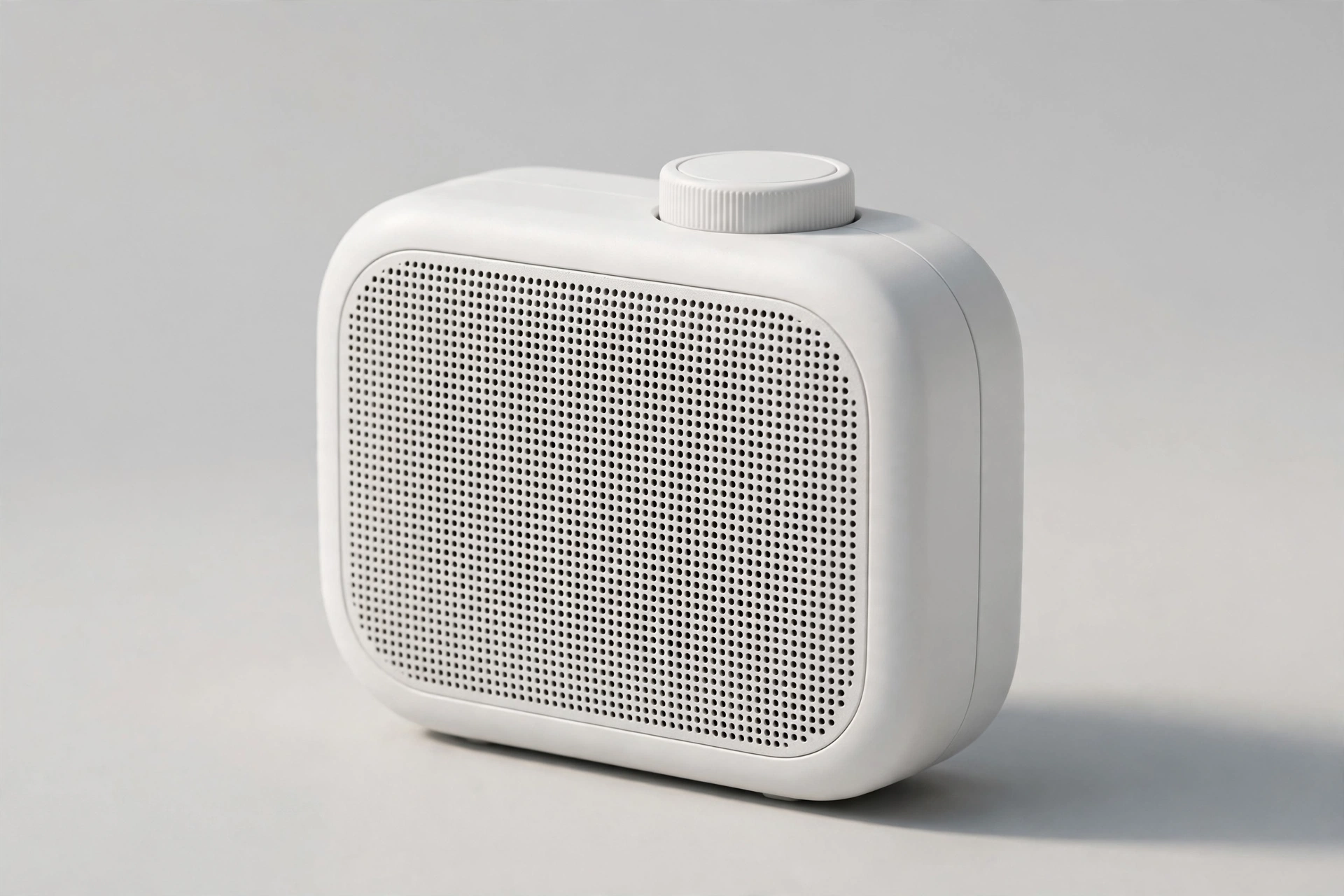
The D3 Pro is the machine that leaves the bedroom. It is rechargeable, with roughly 12 hours of battery per charge, small enough for a carry-on or a crowded nightstand, and it holds both of the category's value titles: BlowMyCash's best portable and GetSome.Rest's best budget. For hotel rooms, spare rooms, shift-work naps and the nursery-adjacent duty this guide deliberately does not chase, it is the sensible default.
Physics sets the limits. A small speaker moves less air and less bass than the LectroFans, so against a genuinely loud snorer or street-facing windows it will run out of masking before they do, and a battery is one more thing to remember to charge. As a second machine or a travel machine it is excellent; as the only line of defence in a noisy house, buy bigger.
Yay · Pros
- Rechargeable — roughly 12 hours per charge, no outlet hunting
- BlowMyCash's best portable and GetSome.Rest's best budget
- Small enough for travel bags and crowded nightstands
Hmm · Cons
- Small speaker — less masking power in loud rooms
- Battery means one more device to keep charged
- Sound library is slimmer than the LectroFans'
Best for: travellers, shift workers, spare rooms and anyone buying a first machine on a budget. Skip if: your room faces real noise — traffic or a champion snorer will out-shout it.
Fan or digital, volume and placement: what actually matters
Real fan or digital is the whole decision. A real fan (Dohm, SNOOZ) produces the most natural sound there is and can never loop, but it makes exactly one kind of sound and wears like any motor does. A good digital machine (the LectroFans) generates sound electronically — also loop-free — and adds the pink and brown tones a fan cannot. What to avoid at any price is a cheap box playing a short recorded loop; once your ear finds the repeat, the machine becomes the disturbance.
Placement beats maximum volume. Put the machine between you and the noise — on the nightstand on the street side of the bed, or by the door that lets hallway sound in — and run it only as loud as the masking needs. A calm, uncluttered room helps more than people expect, too: the same instinct that makes a tidy bedroom feel quieter is why our closet organizers guide keeps ending up in sleep conversations. Start low, raise it over a few nights, and let your ears — not the dial's top end — decide.
Timers and overnight neighbours. If you only struggle to fall asleep, a timer that fades the machine out after an hour saves power and silence-starves nothing. If household machines run on schedules — a robot mop doing its evening pass, a dishwasher on delay-start — steady all-night masking at low volume usually beats a timer, because the noise you are covering keeps its own schedule either way.
White noise machine questions, answered
Is white noise actually proven to help sleep? Honestly, the evidence is mixed — a 2021 analysis in Sleep Medicine Reviews rated the research behind white noise as a sleep aid very low quality. What is not in dispute is the mechanism: steady background sound shrinks the gap between quiet and sudden noise, and it is the sudden change that wakes light sleepers. Treat these machines as masking tools that many people swear by, not as medical devices, and you have the right expectations.
White, pink or brown noise — what is the difference? White noise carries equal energy at every frequency and sounds like television static or a strong fan. Pink noise softens the high end, landing closer to steady rain. Brown noise goes deeper still — a low rumble many snore-maskers and tinnitus sufferers prefer. There is no best colour, only the one your ears stop noticing; that is why the variety picks (LectroFan EVO, Hatch Restore 3) exist.
Can a white noise machine help with tinnitus? Masking is a standard comfort strategy: a steady sound close to the ringing reduces the contrast your brain latches onto, especially at night. The National Council on Aging names the LectroFan EVO its tinnitus pick, helped by its pink and brown tones and headphone jack. What a machine cannot do is treat the cause — persistent tinnitus deserves a clinician, not just a louder fan.
Will it cover a humming appliance or a partner's snoring? Snoring, yes, within reason — that is the EVO's home turf. A steady hum is subtler: a compressor cycling in an open-plan space can poke through, and sometimes the better fix is a quieter appliance — our wine fridges guide weighs compressor noise for exactly this reason. Try placement first: machine on the side the hum comes from, volume just high enough to blur it.
The short version
Buy the Yogasleep Dohm Classic if you want the most natural sound in the category and nothing to configure. Buy the LectroFan Classic for digital convenience and office-grade speech masking, the LectroFan EVO if tinnitus or a loud snorer is the problem, and the SNOOZ if you want the real fan with modern scheduling. Buy the Hatch Restore 3 to fix the whole sleep routine, light included — eyes open about the subscription — and the Dreamegg D3 Pro for travel, spare rooms and first tries. Everything else is placement: put it between you and the noise, and keep the volume honest.
Last updated: November 16, 2026. We refresh this guide each season and whenever a pick is replaced by a better one.